o
p
t
i
m
a
r
o
b
o
t
i
c
s

Make a Call


Make a Call
Blogs
Top Melt Filtration Disc Manufacturers for Global Buyers
Global buyers rarely choose a Melt Filtration Disc by price alone. They examine filtration accuracy, pressure stability, material quality, and production consistency. A disc that appears reliable in a catalogue may behave differently under high melt flow, changing temperatures, or contaminated recycled feedstock.
Polymer-processing specialist Dr. Johannes Karl Fink has expressed a useful principle: “Filtration performance depends on the complete process, not the screen alone.” This view deserves attention. Disc geometry, mesh design, sintering quality, sealing conditions, and replacement procedures all influence real results. Small differences matter. A weak weld can create leakage. Poor flatness can cause uneven pressure. Inadequate documentation can delay customs clearance or factory approval.
This guide reviews leading Melt Filtration Disc manufacturers for international purchasers. It considers stainless-steel grades, layered construction, filtration ratings, dimensional accuracy, customization, and batch traceability. It also examines practical supplier evidence, including laboratory testing, production capacity, sample support, and customer service across time zones. Certifications are useful, but they should not replace technical verification. Buyers should request inspection reports and test samples before making large commitments.
The ranking is not absolute. Every extrusion line is different. Some manufacturers excel in polymer recycling, while others serve fiber, film, pipe, or compounding applications. Even experienced buyers can overlook installation conditions. That is a real weakness in many procurement decisions. Therefore, the most dependable choice combines proven manufacturing control with transparent communication and measurable performance. The strongest supplier is not always the largest one. It is the one that consistently matches the disc to the process.
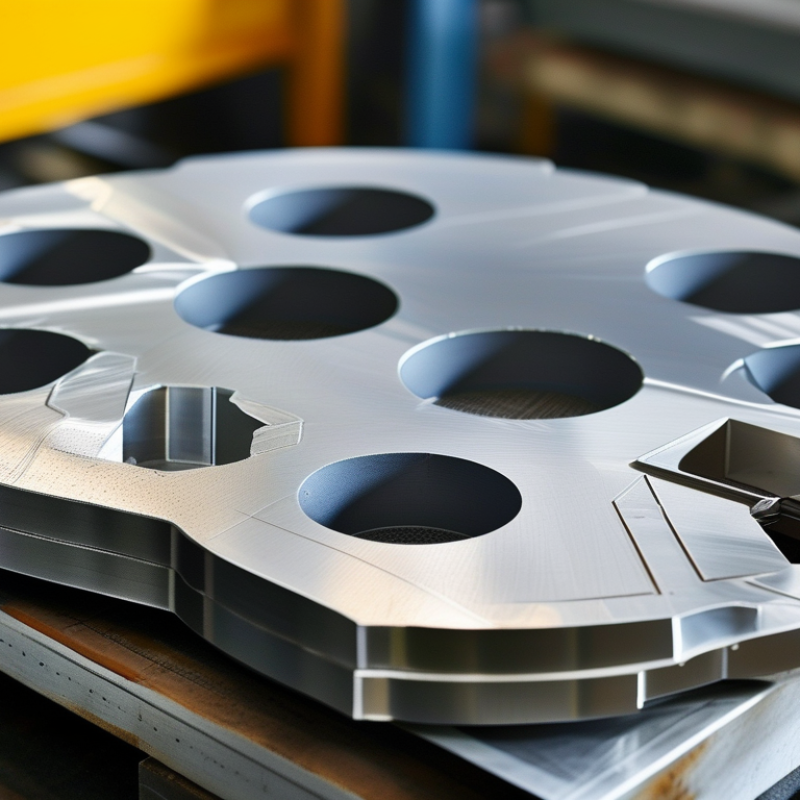
Table of Contents [Hide]
What Melt Filtration Discs Are and Where They Are Used
Melt filtration discs are circular metal screens placed inside polymer processing equipment. They remove gels, unmelted particles, rust, and other contaminants from molten plastic. The filtered melt then passes through a die, spinneret, or injection system with fewer interruptions.
These discs are used in film extrusion, pipe production, fiber spinning, sheet manufacturing, and plastic recycling. A disc may contain one screen layer or several layers with different mesh sizes. Coarse layers support finer layers, improving strength under pressure. In production, operators check melt pressure, temperature, and screen condition regularly. A rising pressure reading often signals blockage. However, pressure alone can mislead. Material changes, moisture, or unstable heating may create similar symptoms. No disc suits every process.
Tips: Match the disc’s material and mesh design with the polymer, temperature, and filtration target. Check the open area before installation. A finer mesh captures smaller particles but may increase pressure quickly. Inspect used discs for burned residue, broken wires, or uneven loading. Replace damaged screens early. Small defects can spread across a long production run. Keep clear records of pressure changes and replacement times. This simple habit supports better decisions, although records are not always complete during busy shifts.
Brands
Proudly Trusted by Top Suppliers Worldwide







Let us know and we will automate, together to fit your industrial needs.
 +91-97254 16844
Clients
Proudly Trusted by Top Companies Worldwide


Do you need Help? Get in touch.
X
Please fill out the form below and we will get back to you as soon as possible.