o
p
t
i
m
a
r
o
b
o
t
i
c
s

Make a Call


Make a Call
Blogs
Top Oil Free Compressor Manufacturers for Global Buyers
Choosing an oil free compressor is a technical decision, not simply a purchasing exercise. Global buyers must examine air purity, energy consumption, operating pressure, maintenance access, and supplier support. A clean specification can prevent expensive surprises later.
Ron Marshall, a recognized compressed-air systems specialist, has said, “The compressor is only one part of the compressed-air system.” That observation deserves attention. An efficient machine can still perform poorly when piping is undersized, dryers are mismatched, or demand fluctuates sharply. The visible compressor is only the beginning.
This guide reviews leading oil free compressor manufacturers serving international markets. It considers rotary screw, centrifugal, scroll, and reciprocating technologies. It also examines ISO 8573-1 air-quality classifications, cooling arrangements, controls, warranties, and lifecycle costs. Factory certification matters. So does the technician who answers at 2 a.m.
For pharmaceutical filling lines, even a trace of contamination can threaten product quality. In electronics production, unstable air can affect delicate handling equipment. In food packaging, careless selection may create unnecessary compliance concerns. These details make supplier evaluation more than a comparison of motor ratings and catalog prices.
Experience shows that the lowest purchase price is rarely the lowest total cost. Yet premium equipment is not automatically the right answer. Site conditions, load profile, climate, voltage, and local service capacity can change the decision. No ranking is perfect. Buyers should challenge every claim, request performance data, and speak with existing users.
The manufacturers discussed here are assessed through practical criteria, not promotional language. Their technology, reliability, documentation, and support networks all deserve scrutiny. A careful choice can deliver cleaner air, steadier production, and fewer unpleasant surprises.
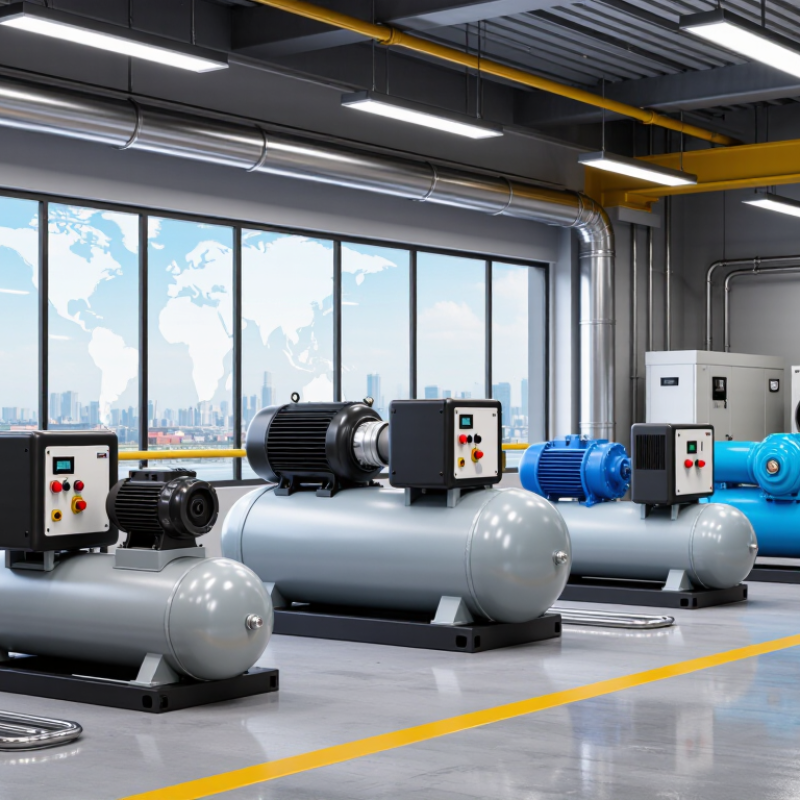
Table of Contents [Hide]
Oil-Free Compressor Types and Their Main Industrial Applications
Top Oil Free Compressor Manufacturers for Global Buyers
Oil-free compressors serve industries where air quality cannot be compromised. Scroll compressors suit dental clinics, laboratories, and small electronics lines. Their compact design produces clean air with limited vibration. Reciprocating models handle intermittent demand, such as packaging machines and workshop tools. They are simple, but their pulsation needs attention.
Oil-free screw compressors support continuous production in food processing, pharmaceuticals, and semiconductor plants. They deliver stable airflow and avoid lubricant contamination. Centrifugal compressors fit large facilities with steady, high-volume demand, including wastewater treatment and chemical processing. The U.S. Department of Energy reports that compressed-air systems may consume 10–20% of a plant’s electricity. That figure makes efficiency more than a purchasing detail.
Energy losses are often overlooked. Leaks, excessive pressure, and poor controls can waste substantial power. The European Commission’s Best Available Techniques guidance recommends reducing leakage and optimizing system pressure. In real plant audits, technicians commonly find unused branches left pressurized. Not elegant, but common. Buyers should compare specific power, flow stability, noise, cooling requirements, and maintenance intervals. ISO 8573-1 air-quality classes also help match compressor output with process risk. A medical application needs stricter control than a general pneumatic tool. The wrong type may still run, yet quietly increase operating costs.
Brands
Proudly Trusted by Top Suppliers Worldwide







Let us know and we will automate, together to fit your industrial needs.
 +91-97254 16844
Clients
Proudly Trusted by Top Companies Worldwide


Do you need Help? Get in touch.
X
Please fill out the form below and we will get back to you as soon as possible.