o p t i m a r o b o t i c s

Blogs

Top Packaging Robots Transforming the Future of Automation in Industry?

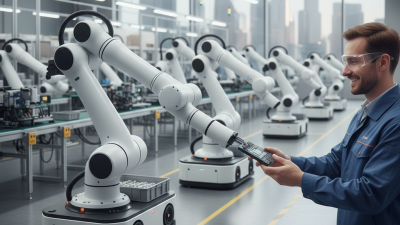
The rise of packaging robots is reshaping the landscape of automation in industrial settings. These machines streamline production, enhancing efficiency and reducing labor costs. Packaging robots tackle repetitive tasks, allowing human workers to focus on complex duties. Companies implement these robots to stay competitive in a rapidly evolving market.

While packaging robots offer remarkable benefits, there are challenges. The initial investment can be significant, leading to hesitation from some businesses. Furthermore, not all industries embrace automation equally. Some sectors remain reliant on traditional methods. This raises questions about job displacement and potential skill gaps.

Nevertheless, the advantages of packaging robots are evident. They bring speed and precision to assembly lines. As technology advances, these robots continue to improve. Future iterations may address current shortcomings, enabling smoother integration into diverse industries. Embracing packaging robots could define success for many businesses.
Top Packaging Robots Transforming the Future of Automation in Industry?

Overview of Packaging Robots in Industrial Automation

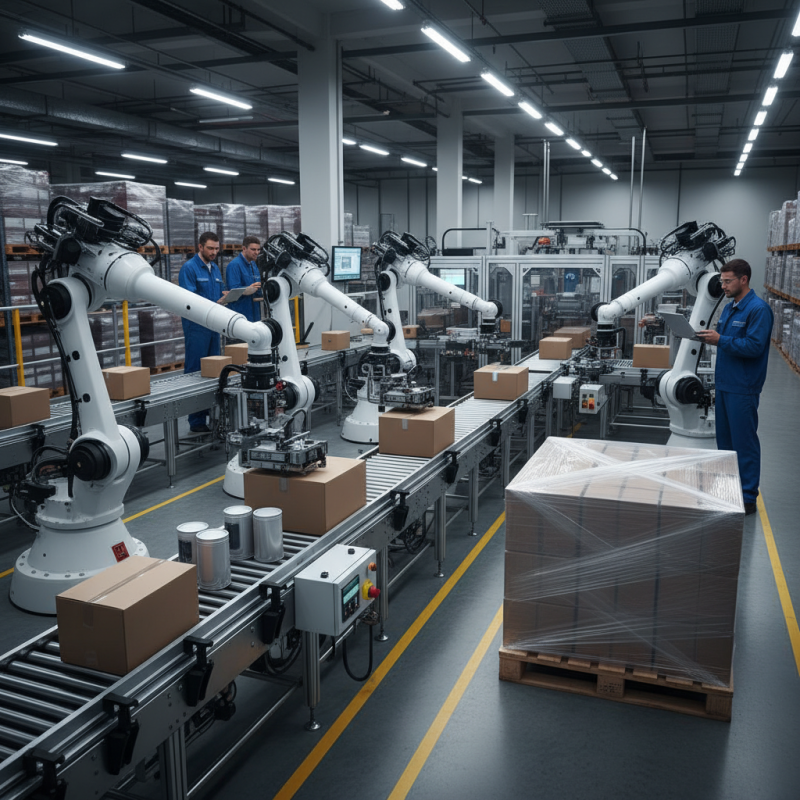
Packaging robots are revolutionizing industrial automation. They handle repetitive tasks with speed and precision. These machines can pack items into boxes or arrange products on pallets. The rise in e-commerce has intensified the need for efficient packaging solutions. Businesses are looking for ways to enhance productivity and reduce labor costs.

In warehouses, robots work alongside human employees. They take over monotonous jobs, allowing workers to focus on more complex tasks. This shift can boost job satisfaction but may also lead to job displacement. Companies must balance efficiency and workforce needs. Training programs could help workers adapt to new roles in automation.

Integration of advanced technologies is crucial for packaging robots. Many now utilize AI and machine learning. This advancement allows them to make real-time decisions. However, not all industries are ready for this change. Some may struggle with the initial investment. Others may worry about reliability and maintenance costs. Thoughtful planning is essential for success in adopting these transformative technologies.
Key Technologies Driving Packaging Robotics Innovation

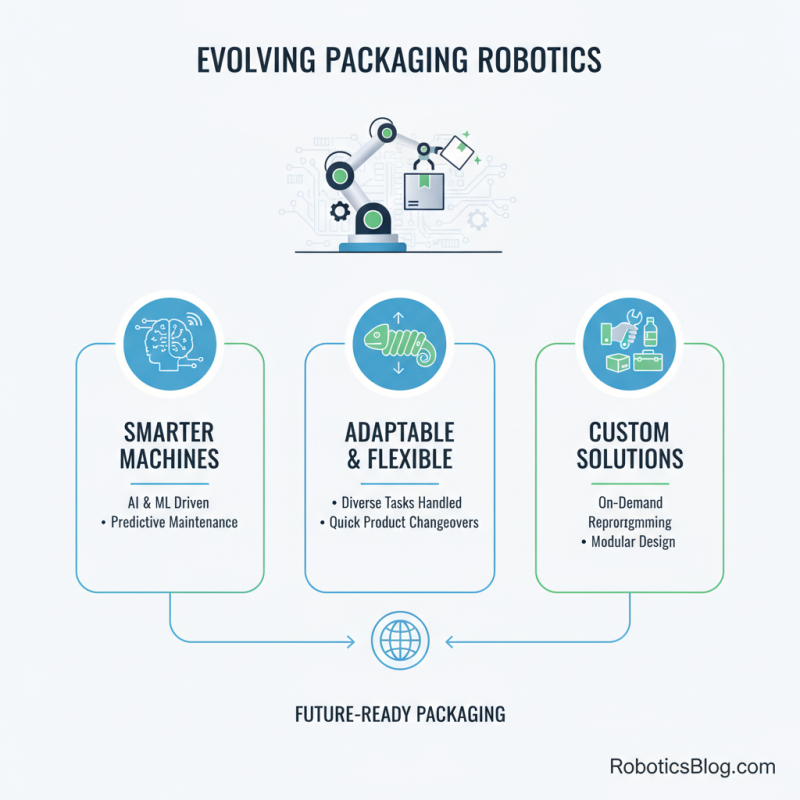
The future of automation in packaging is shaped by remarkable technologies. Robotics has revolutionized how products are packed. Smart machines are enhancing speed and accuracy. For instance, AI-powered robots can optimize the packing process. They reduce waste and improve efficiency. This innovative technology adapts to various packaging materials. It ensures consistency across different products.

Vision systems play a crucial role in packaging robotics. They allow robots to recognize items on conveyor belts. This capability enhances sorting and quality control. Integrating sensors with robotic arms can also minimize human error. Workers may find this reliance on technology daunting. However, it helps in achieving precision that humans sometimes cannot match.

Tips: Encourage employees to embrace automation. Training can mitigate fear of technology. Understand that robotics won't completely replace jobs. Instead, they can take over repetitive tasks.

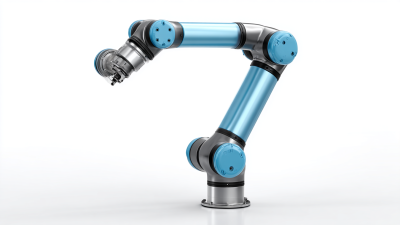
Another exciting area is collaborative robots (cobots). These robots work alongside humans. They simplify processes without the need for extensive safety measures. The ease of implementation can seem appealing. However, integrating cobots requires assessing workflow compatibility.

Understanding these advancements is key for any industry. Adopting new technologies can be challenging, but the benefits are clear. It is crucial to analyze both the potential and limitations of robotics in your operations.

Impact of Packaging Robots on Production Efficiency and Supply Chains

The rise of packaging robots is revolutionizing production efficiency. These machines can work tirelessly, ensuring consistent output. They handle high volumes of products, reducing the need for manual labor. This shift allows human workers to focus on more complex tasks. However, training employees to collaborate with robots can be a challenge.

Robots improve precision in packaging, leading to fewer errors. A small misalignment can cause waste and delays. Companies must continuously monitor the robots' performance. Integration into existing supply chains is vital but tricky. Communication between machines and human overseers is essential.

Some industries adapt faster than others. The food sector, for instance, benefits from automation but faces strict regulation. Adapting robotic systems can be costly. Not all companies see immediate benefits. There may be initial disruptions during the transition. Balancing automation with human skills is crucial for long-term success.

Case Studies of Leading Packaging Robot Systems in Action

The packaging industry is evolving rapidly. Automation plays a key role in this transformation. Recent reports indicate that the global market for packaging robots is projected to reach $9 billion by 2026, growing at a CAGR of over 10%. This growth signals a clear shift toward automated solutions.

One interesting case study highlights a major food manufacturer that implemented robotic systems in their packaging line. They achieved a 30% increase in efficiency after integrating these robots. The robots efficiently handle delicate packaging tasks that human workers found challenging, reducing waste significantly. Yet, the transition was not seamless. Training and adapting to new technologies posed hurdles. Resistance from workers was another challenge faced during implementation.

In the beverage sector, another case study reveals compelling outcomes. A producer cut labor costs by 20% with robotic automation. However, quality control remained a concern. Some robots struggled with irregularly shaped containers, leading to occasional mishaps. Companies recognized the need for continuous adjustments and improvements. There's still work to do to perfect these systems for widespread adoption.

Future Trends and Challenges in Packaging Robotics Development

Top Packaging Robots Transforming the Future of Automation in Industry?

The field of packaging robotics is rapidly evolving. Future trends indicate a shift towards smarter, more adaptable machines. Companies are seeking robots that can handle diverse packaging tasks. Flexibility will be key in adapting to changing product demands.

However, challenges remain. Integration with existing systems can be a hurdle. Many businesses lack the necessary infrastructure for advanced robotics. Employees may need retraining to work alongside these robots. This transition can create resistance within the workforce. It's essential to address these concerns to ensure successful implementation.

**Tip:** Focus on employee training programs. This can help smooth the transition to automation.

As technology advances, collaboration between engineers and industry leaders will play a significant role. Understanding specific needs can guide the development of more effective robots. User-friendly interfaces will become increasingly important. Packaging robots must be easy to program and operate.

**Tip:** Consider pilot projects before full-scale implementation. This approach allows companies to assess viability and address potential problems early.

Brands

Proudly Trusted by Top Suppliers Worldwide

Let us know and we will automate, together to fit your industrial needs.

Clients

Proudly Trusted by Top Companies Worldwide

Do you need Help? Get in touch.

X

Please fill out the form below and we will get back to you as soon as possible.

    Subscribe our newsletter & get updates