Top 10 Robotic Solutions Transforming Industries Today
In today's fast-paced industrial landscape, the integration of robotic solutions is revolutionizing how businesses operate and compete. According to Dr. Emma C. Thompson, a leading expert in automation technologies, "Robotic solutions are not just enhancing productivity; they are redefining the possibilities of what industries can achieve." As companies strive for greater efficiency and innovation, the rise of automation is becoming increasingly paramount across various sectors, ranging from manufacturing to healthcare.
The transformative power of robotic solutions is evident in their ability to streamline processes, reduce human error, and deliver unprecedented precision. With advancements in AI and machine learning, robots are now equipped to handle complex tasks that were once thought to require human intervention. This not only leads to improved operational efficiencies but also opens up new avenues for creativity and strategic growth within organizations.
As we delve deeper into the top 10 robotic solutions currently making waves across industries, we will explore the remarkable impact these technologies have on enhancing productivity and reshaping the future of work. The influence of robotic solutions is undeniable, and their adoption is a testament to the ongoing evolution of industrial capabilities in our modern world.
Innovative Robotic Solutions Revolutionizing Manufacturing Processes
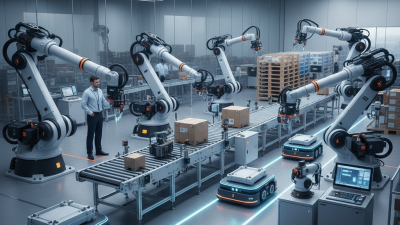
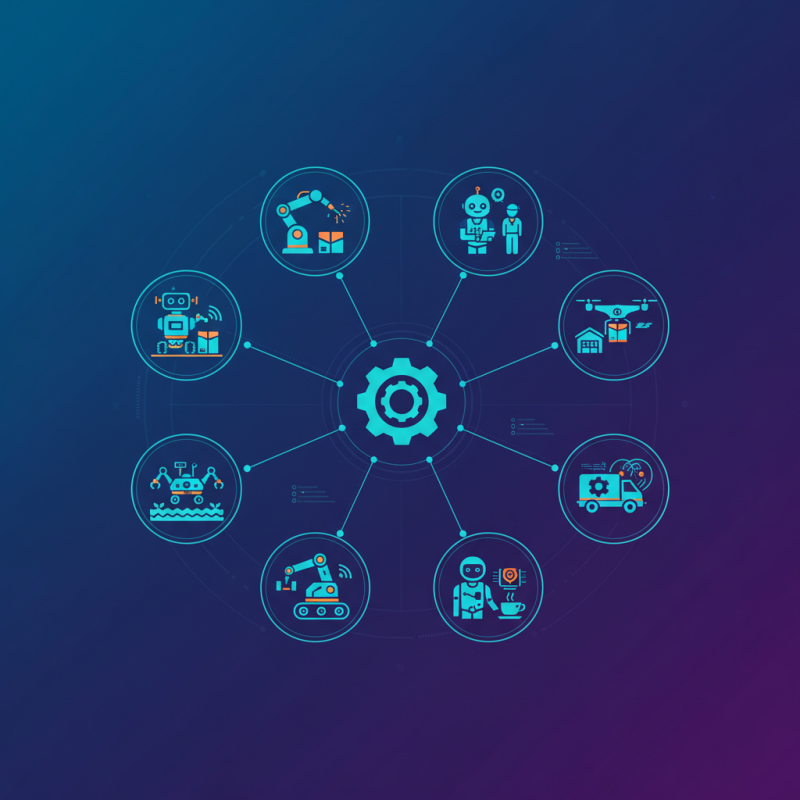
The evolution of robotic solutions is significantly reshaping the manufacturing landscape, driving efficiency and enhancing productivity across various sectors. These innovative systems are now capable of performing complex tasks that were once solely reliant on human labor.
From assembly lines to quality control, robots are being integrated into processes to streamline operations, reduce costs, and minimize human errors. The adoption of collaborative robots, or cobots, is particularly noteworthy as they work alongside human workers, augmenting their capabilities and creating a more adaptable and safe work environment.
Moreover, advancements in artificial intelligence and machine learning are enabling robots to learn from their surroundings and improve their performance over time. This self-learning capability allows for the optimization of manufacturing processes, ensuring higher precision and faster output.
As industries continue to embrace automation, the integration of robotic solutions is not only transforming efficiency but also fostering innovation in product design, production planning, and supply chain management. The synergy between robotics and manufacturing is paving the way for smarter factories and a more resilient industrial future.
Enhancing Supply Chain Efficiency through Automated Robotics
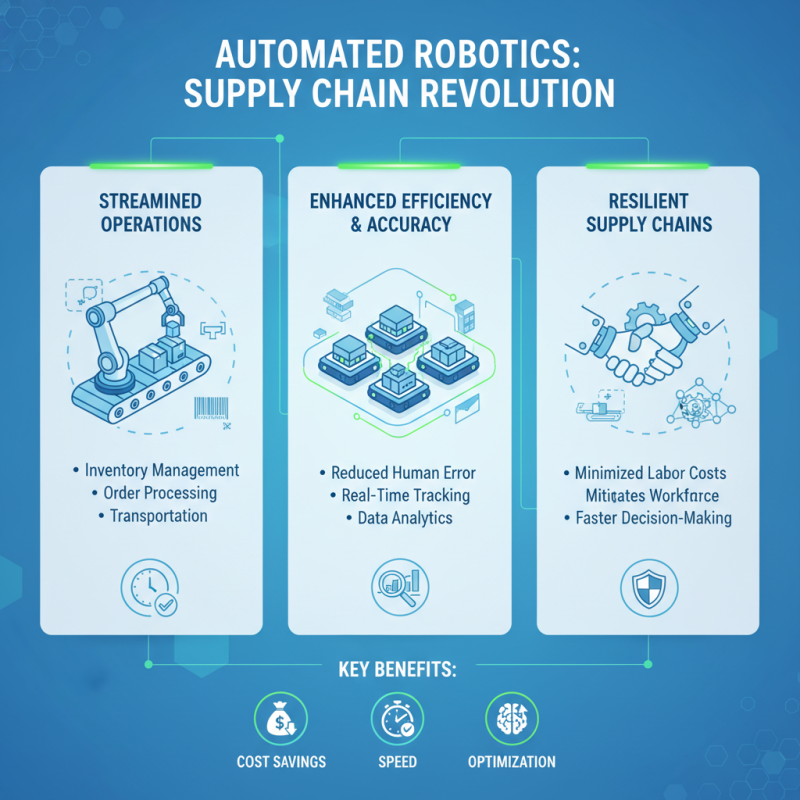
Automated robotics is revolutionizing the supply chain landscape, streamlining operations and enhancing efficiency across various industries. By introducing autonomous systems for tasks such as inventory management, order processing, and transportation, organizations can significantly reduce human error and operational delays. Robotic solutions enable real-time tracking and data analysis, allowing businesses to optimize their workflows and make informed decisions swiftly. This automation also minimizes labor costs and mitigates the impact of workforce shortages, creating more resilient supply chains.
Furthermore, the integration of robotics within supply chains promotes a more agile response to market demands. With the ability to rapidly adapt to fluctuations in customer preferences and external disruptions, automated systems provide the flexibility needed to maintain competitive advantage. Robotics, combined with advanced AI and machine learning, can predict trends and manage resources efficiently, ensuring that products move seamlessly from production to the end customer. This transformation not only enhances operational performance but also improves customer satisfaction, ultimately driving growth in the industry.
Transforming Healthcare with Advanced Robotic Technologies
The integration of advanced robotic technologies in healthcare is reshaping the landscape of patient care and medical procedures. According to a report by the International Federation of Robotics (IFR), the global market for medical robotics is projected to reach $22.4 billion by 2026, growing at a compound annual growth rate (CAGR) of 21.2%. This surge is primarily driven by the demand for precise surgical tools, improved patient outcomes, and enhanced operational efficiencies in hospitals.
Robotic-assisted surgeries, in particular, have transformed traditional surgical practices by enabling minimally invasive procedures. Research indicates that these robotic systems can reduce hospital stays by up to 50% and significantly decrease recovery times. A study published in the Journal of Robotic Surgery revealed that hospitals utilizing robotic systems reported a 30% reduction in complications and postoperative pain. Additionally, robots are being increasingly employed in rehabilitation settings, where they assist in physical therapy, helping patients regain mobility faster and more effectively.
Moreover, robots are enhancing telemedicine capabilities, allowing healthcare professionals to monitor and interact with patients remotely. A report from the Deloitte Center for Health Solutions highlights that 60% of healthcare organizations are investing in robotic technologies to support virtual care models. This innovation not only improves access to healthcare in underserved areas but also facilitates early diagnosis and personalized treatment plans, ultimately leading to improved patient satisfaction and outcomes.
Top 10 Robotic Solutions Transforming Industries Today
Transforming Healthcare with Advanced Robotic Technologies
Integrating Robotics in Agriculture for Increased Productivity
The integration of robotics in agriculture is revolutionizing the industry, enhancing productivity and efficiency in ways previously unimagined. According to a report by the International Federation of Robotics, agricultural robots could increase global food production by 70% over the next 30 years, addressing the rising demand driven by a growing population. Precision agriculture techniques, powered by robotic systems, allow farmers to monitor crop health and soil conditions with remarkable accuracy, leading to timely interventions that optimize yields.
One of the most significant advancements in agricultural robotics is the development of autonomous drones and tractors. These machines can perform a variety of tasks, from planting seeds to spraying crops, minimizing the need for manual labor. A report from McKinsey Global Institute highlights that automated solutions can enhance operational efficiency by 20-30%, drastically decreasing the cost of production and enabling farmers to focus on strategic decision-making.
Tips for those looking to implement robotic solutions in agriculture include starting with a pilot project to assess the technology's impact on productivity before committing to full-scale adoption. It's also advisable to invest in training for staff to ensure they are equipped to effectively operate and maintain the robotic systems. Finally, collaborating with agricultural tech developers can provide insights into innovative solutions tailored to specific needs and challenges in farming operations.
Top 10 Robotic Solutions Transforming Industries Today - Integrating Robotics in Agriculture for Increased Productivity
| Solution |
Application |
Productivity Increase (%) |
Cost Reduction (%) |
Year of Introduction |
| Autonomous Tractors |
Plowing and Planting |
30 |
20 |
2021 |
| Drones |
Crop Monitoring |
25 |
15 |
2020 |
| Harvesting Robots |
Fruit and Vegetable Picking |
40 |
30 |
2019 |
| Soil Robots |
Soil Analysis |
20 |
10 |
2022 |
| Automated Irrigation Systems |
Water Management |
35 |
25 |
2021 |
| Weeding Robots |
Weeding and Pest Control |
30 |
15 |
2020 |
| Seed Planting Robots |
Seed Distribution |
28 |
18 |
2022 |
| Smart Greenhouses |
Crop Growth Optimization |
50 |
40 |
2018 |
| Robotic Milking Systems |
Dairy Farming |
45 |
35 |
2019 |
| Data Analytics Robots |
Farm Management |
22 |
12 |
2023 |
Redefining Service Industries with Customer-Facing Robots
The shift towards automation in service industries is gaining momentum as customer-facing
robots become increasingly integral to business operations. According to a recent report by McKinsey, more than 30% of tasks in the service sector can be automated, potentially reshaping customer interactions and increasing efficiency. Robots can handle routine inquiries and transactions, allowing human staff to focus on more complex customer needs, ultimately enhancing the customer experience.
One promising trend is the rise of social robots in hospitality, where they not only check guests in and provide information but also create a welcoming atmosphere that can significantly influence customer satisfaction. A study by PWC reveals that customers are willing to pay up to 16% more for a service provided by a robot, reflecting a growing acceptance of robotic assistance in everyday services.
Tips for businesses looking to implement customer-facing robots include starting with specific tasks where automation can significantly reduce wait times and enhance service quality. Additionally, ensure that robots are designed to complement human staff rather than replace them, creating an efficient teamwork dynamic.
Regular updates and training for staff on how to interact seamlessly with these robots can further improve the overall service experience. By strategically integrating robots into their operations, businesses can redefine their service delivery and create a futuristic customer engagement model.