o
p
t
i
m
a
r
o
b
o
t
i
c
s

Make a Call


Make a Call
Blogs
Top Trace Oxygen Analyzers for Global Buyers
Choosing the right Trace Oxygen Analyzer can protect product quality, process safety, and purchasing budgets across international markets. Global buyers often compare sensitivity, response time, sample compatibility, certifications, and long-term service support. A low price may look attractive, but unstable readings can create expensive production decisions later.
This guide examines leading trace oxygen analyzers through practical buying criteria. These include detection ranges from parts per million to parts per billion, measurement stability, calibration methods, and data connectivity. We also consider stainless-steel sample lines, moisture control, pressure limits, and performance in gases such as nitrogen, argon, hydrogen, and carbon dioxide. Small details matter. A poorly prepared sample line can distort an otherwise accurate result.
Real purchasing conditions are rarely perfect. Delivery times change, local technicians may have limited training, and replacement sensors may cross several borders. Therefore, buyers should verify manufacturer documentation, regional support, warranty terms, and calibration traceability before placing an order. Independent test reports and application references add confidence, but they do not replace site-specific evaluation.
No shortlist is perfect. Some analyzers excel in laboratory environments but struggle with vibration, dust, or changing sample pressure. Others offer strong portability but limited automation. The best choice depends on the gas stream, required accuracy, installation conditions, and available maintenance skills. This overview aims to provide a careful, evidence-based starting point, while acknowledging that final validation should happen with representative samples and qualified technical advice.
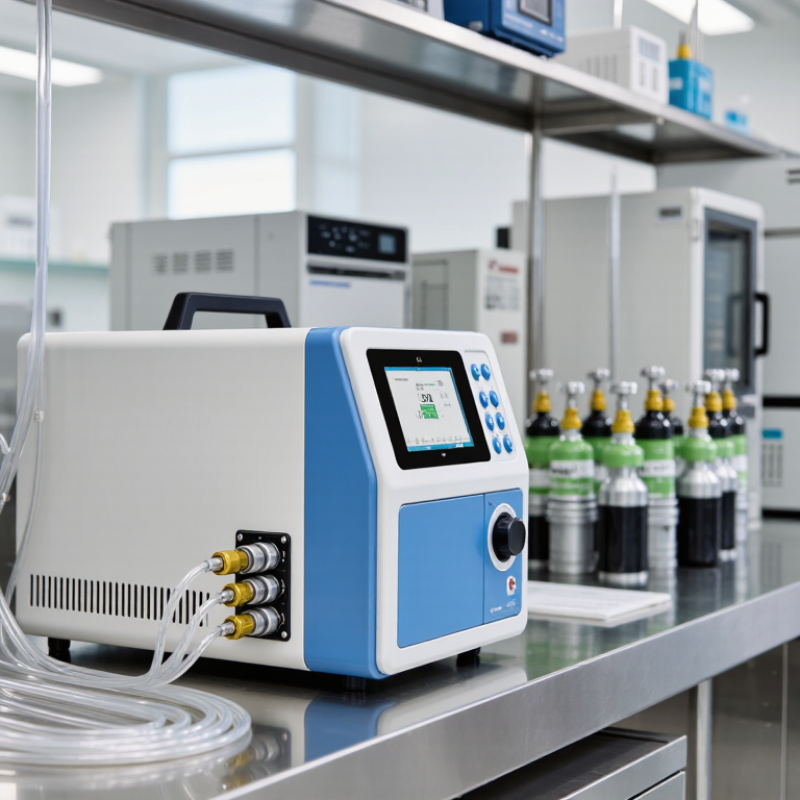
Table of Contents [Hide]
What Trace Oxygen Analyzers Measure and Why They Matter
Trace oxygen analyzers measure very small oxygen concentrations in gases, often at parts-per-million or parts-per-billion levels. They help operators confirm whether an atmosphere is genuinely inert. A reading of 2 ppm can matter when oxygen-sensitive materials are exposed for hours. These instruments commonly support gloveboxes, gas pipelines, heat-treatment systems, and controlled manufacturing areas.
The measurement depends on the sensor, sample flow, pressure, temperature, and moisture level. Electrochemical sensors can be practical for routine monitoring, while laser-based systems offer fast, non-contact analysis. Accuracy is not automatic. A loose fitting or wet sample line can create a misleading result. In field work, technicians often compare the analyzer with a certified reference gas before trusting a critical reading. Small details matter.
Trace oxygen analysis also protects product consistency and process records. Unexpected oxygen may signal a leak, poor purging, contaminated gas, or a failing seal. However, the analyzer cannot explain the cause by itself. That part still requires careful inspection and sound process knowledge. Calibration intervals should reflect actual use, not only a manual’s suggested schedule. A dusty factory, frequent sensor changes, or unstable flow may require more frequent checks. The perfect reading is not always the most useful reading. A stable, documented measurement is usually more valuable than a single impressive number.
Brands
Proudly Trusted by Top Suppliers Worldwide






Let us know and we will automate, together to fit your industrial needs.
 +91-97254 16844
Clients
Proudly Trusted by Top Companies Worldwide


Do you need Help? Get in touch.
X
Please fill out the form below and we will get back to you as soon as possible.