o
p
t
i
m
a
r
o
b
o
t
i
c
s

Make a Call


Make a Call
Blogs
Top Turbine Generator for WTE Global Buyer Guide
Selecting the right Turbine Generator For Wte requires more than comparing rated output. Waste-to-energy plants face changing fuel quality, corrosive gases, ash, moisture, and demanding operating schedules. A generator must convert thermal energy reliably while supporting safe, efficient, and maintainable plant operation.
This buyer guide examines turbine generator designs, power ranges, steam conditions, cooling systems, control technology, and supplier capability. It considers practical details, including installation space, grid connection requirements, vibration monitoring, lubrication systems, and access for routine maintenance. A unit may look efficient on paper, yet perform poorly if its turbine does not match the boiler’s steam flow. That mistake can become expensive.
Real project experience matters.
Reliable evaluation should include verified efficiency data, factory testing procedures, warranty terms, spare-parts availability, and documented references from comparable WTE facilities. Buyers should also review emissions control interfaces and local technical standards before signing a contract. Independent engineering checks can reveal weak assumptions, especially when waste composition changes seasonally.
No single turbine generator suits every plant. Smaller municipal facilities may prioritize simplicity and flexible load response. Larger installations often need high availability, advanced monitoring, and coordinated maintenance planning. Cost remains important, but lifecycle value deserves equal attention. A cheaper machine can create higher expenses through downtime, difficult repairs, or inefficient steam use.
Some specifications may appear impressive but remain incomplete without operating context. That is worth questioning. This guide helps global buyers compare suppliers with clearer criteria, realistic expectations, and evidence-based judgment. The goal is dependable generation, not merely a higher nameplate rating.
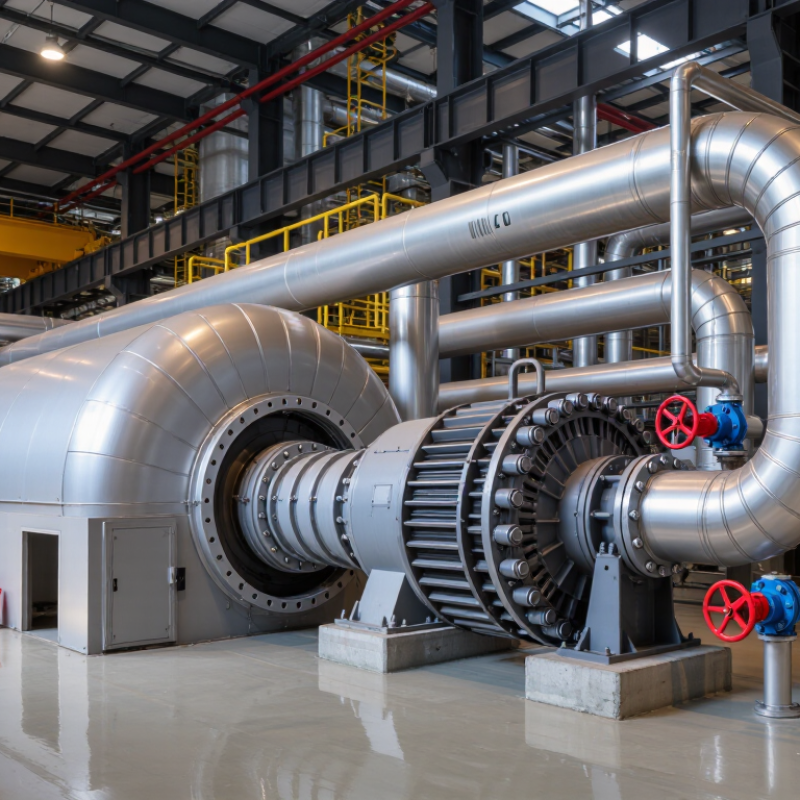
Table of Contents [Hide]
WTE Turbine Generators: Purpose, Structure, and Operating Principles
A waste-to-energy (WTE) turbine generator converts heat from controlled waste combustion into usable electricity. Steam does the work. The boiler produces high-pressure steam, which enters the turbine through regulated valves. As steam expands across rotating blades, its thermal energy becomes shaft power. The shaft drives an electrical generator, usually through a direct coupling or reduction gear.
The turbine includes stationary nozzles, rotating blades, seals, bearings, and exhaust sections. Each part affects reliability. Seals limit steam leakage, while bearings keep the rotor aligned at high speed. The generator uses electromagnetic induction to produce electricity. Cooling systems remove heat, and lubrication systems protect moving surfaces. In daily operation, operators monitor pressure, vibration, temperature, steam flow, and electrical output.
From practical commissioning work, stable steam quality often matters more than impressive nameplate capacity. Wet steam can damage blades and reduce efficiency. Sudden load changes may also stress the rotor. Small losses matter. I have seen operators focus on output while overlooking condenser performance. That mistake can increase back pressure and waste fuel energy. Reality is less tidy. Corrosion, ash deposits, and uneven maintenance gradually change operating conditions. A dependable WTE turbine generator therefore needs correct sizing, careful startup procedures, regular inspection, and accurate control settings. Its real value appears when it produces steady power without placing avoidable stress on the plant.
Brands
Proudly Trusted by Top Suppliers Worldwide







Let us know and we will automate, together to fit your industrial needs.
 +91-97254 16844
Clients
Proudly Trusted by Top Companies Worldwide


Do you need Help? Get in touch.
X
Please fill out the form below and we will get back to you as soon as possible.