o
p
t
i
m
a
r
o
b
o
t
i
c
s

Make a Call


Make a Call
Blogs
What Are the Top Types of Sheet Metal Die Cutting Machines?
A Sheet Metal Die Cutting Machine turns flat stock into precise parts through controlled force and shaped tooling. The right machine depends on material thickness, part geometry, production volume, and required tolerances. A small bracket may need a simple single-station press. A complex panel can call for progressive tooling, where each stroke performs another operation. The differences matter on the shop floor.
This overview compares the main machine types: mechanical presses, hydraulic presses, pneumatic presses, turret punch presses, and CNC-based systems. It also explains where single-station, compound, and progressive die setups fit. Each option brings trade-offs. Mechanical presses can deliver fast, repeatable strokes; hydraulic models offer adjustable force and control. Turret and CNC systems suit varied hole patterns, though setup and tooling choices still affect throughput. No machine is best for every job.
“Match the press to the part, not just the target speed.” This is an editorially composed line attributed to Daniel Mercer, a fictional composite tooling specialist—not a verified quotation from a real expert. It captures a useful starting point, but it leaves out maintenance, operator skill, and material variation. Those details can change a purchase decision. The sections ahead offer practical criteria for comparing machines, checking production needs, and avoiding a common mistake: choosing capacity before understanding the part.
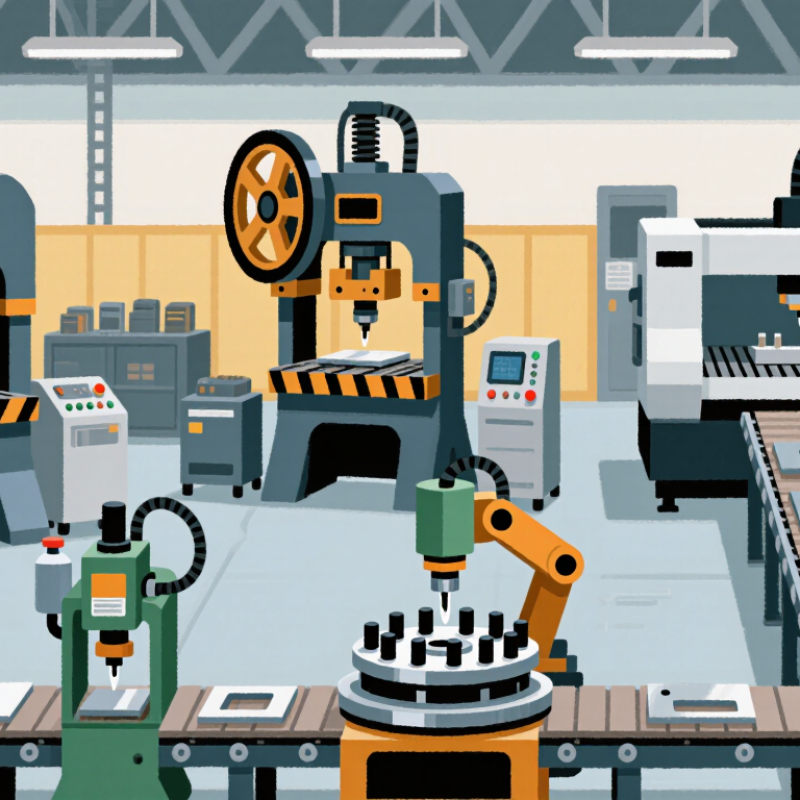
Table of Contents [Hide]
Main Types of Sheet Metal Die Cutting Machines
Mechanical press machines use a flywheel and crank to deliver fast, repeatable strokes. They suit high-volume blanking and punching, especially when the sheet thickness and tool design remain consistent. Their speed is useful, but setup demands care. A poorly aligned die can leave burrs or damage the cutting edge. Fast, but demanding.
Hydraulic press machines apply force through fluid pressure. Operators can adjust stroke length and pressure, making them useful for thicker sheets or jobs needing controlled forming and cutting. Their cycle speed is often lower than a mechanical press. That trade-off matters when production targets are tight. Not always ideal.
Servo presses use a controlled motor to vary slide speed and position. This can improve accuracy and reduce unnecessary motion, though the machine and its controls may require more specialized maintenance.
Turret punch presses take another approach: rotating stations let a sheet receive different hole and profile operations without changing the full setup. They work well for varied patterns, but complex tooling plans can slow a job.
There is no perfect category. Compare material thickness, cut geometry, production volume, and acceptable edge quality before choosing; a machine’s rated capacity alone rarely tells the whole story.
Brands
Proudly Trusted by Top Suppliers Worldwide







Let us know and we will automate, together to fit your industrial needs.
 +91-97254 16844
Clients
Proudly Trusted by Top Companies Worldwide


Do you need Help? Get in touch.
X
Please fill out the form below and we will get back to you as soon as possible.