o
p
t
i
m
a
r
o
b
o
t
i
c
s

Make a Call


Make a Call
Blogs
What Is the Top WMS Warehouse System for Global Buyers?
Choosing the top Wms Warehouse System is not a simple software comparison. Global buyers manage different currencies, languages, tax rules, labor practices, and shipping networks. A platform that performs well in Rotterdam may struggle in São Paulo or Jakarta. The best decision depends on operational fit, not marketing volume.
Industry evidence supports a careful approach. MHI’s 2024 Annual Industry Report highlights artificial intelligence, robotics, and automation as major supply chain investment priorities. Gartner’s research on warehouse management technology also emphasizes integration, scalability, usability, and real-time visibility. These findings matter on the warehouse floor. A reliable system should show available stock, guide a picker, and update an international order without noticeable delay. It should also connect with ERP, transportation, barcode, RFID, and marketplace systems.
No platform is universally best. That assumption deserves challenge. Global buyers should examine implementation records, customer support coverage, cybersecurity controls, and total ownership costs. Zebra’s global warehousing research indicates that many warehouse leaders are increasing technology investment to improve efficiency and resilience. However, buying advanced tools does not guarantee better results. Poor product data, weak training, or unclear workflows can waste an expensive implementation.
The right Wms Warehouse System should support measurable outcomes. Useful indicators include inventory accuracy, order cycle time, picking productivity, dock-to-stock time, and return processing speed. Request realistic demonstrations using your own SKU profiles and shipment scenarios. Ask vendors to explain failure recovery, regional support, and upgrade responsibilities. Some evaluation gaps may remain, especially when supplier claims are difficult to verify. That is why reference checks and controlled pilot testing still matter.
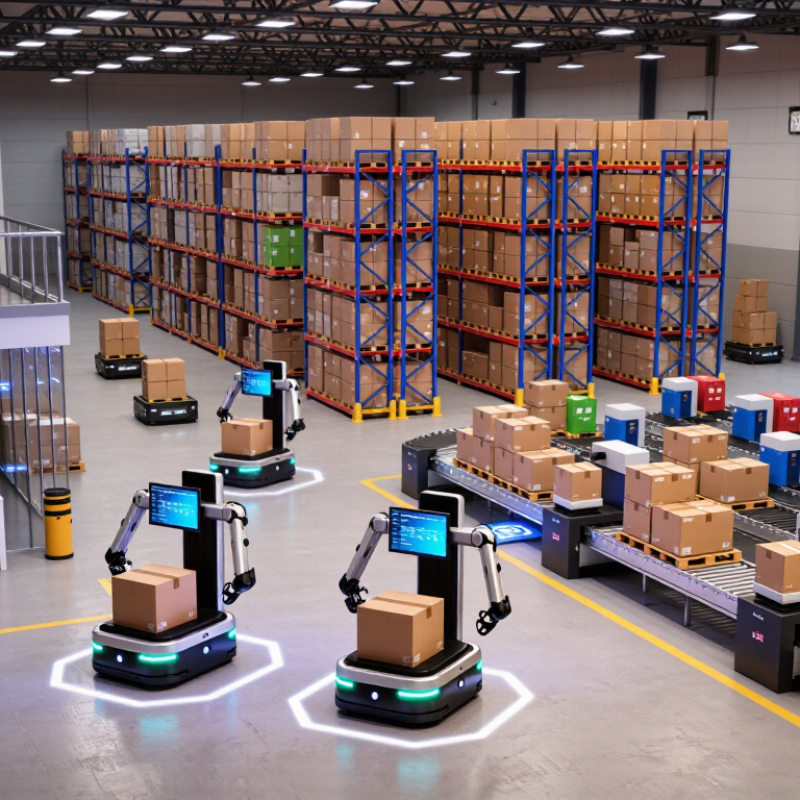
Table of Contents [Hide]
What a WMS Is and Why Global Buyers Need One
A warehouse management system, or WMS, is software that controls daily warehouse activity. It records receiving, putaway, picking, packing, inventory counts, and shipping. It is the operational record. Instead of relying on spreadsheets, teams scan each carton and connect it to a storage location. Managers can then see available stock, reserved stock, and items waiting for inspection.
For global buyers, this visibility matters even more. A purchase may move through several warehouses, time zones, and transport providers. A reliable WMS can support multiple units, currencies, languages, and barcode standards. It can also track batches, serial numbers, expiry dates, and shipment documents. These details reduce delays when goods cross borders or change hands. Errors multiply quickly. One incorrect quantity can affect production schedules, customer promises, and storage costs.
In real warehouse projects, the best system is not always the one with the longest feature list. It should match the buyer’s warehouse size, product type, integration needs, and staff skills. Clear dashboards help, but accurate scanning habits matter more. That sounds simple. Not always. Poor training, weak master data, or confusing workflows can damage results. Buyers should test receiving, stock transfers, cycle counting, and returns with realistic orders before choosing a system. A careful trial exposes hidden gaps, although it may also reveal that the warehouse process itself needs improvement.
Brands
Proudly Trusted by Top Suppliers Worldwide





Let us know and we will automate, together to fit your industrial needs.
 +91-97254 16844
Clients
Proudly Trusted by Top Companies Worldwide


Do you need Help? Get in touch.
X
Please fill out the form below and we will get back to you as soon as possible.