o
p
t
i
m
a
r
o
b
o
t
i
c
s

Make a Call


Make a Call
Blogs
How to Use Ascophyllum Nodosum in Agriculture?
Ascophyllum nodosum is a brown seaweed harvested from coastal waters and processed into extracts used in crop production. Growers may apply these products as seed treatments, soil drenches, or foliar sprays, depending on the formulation and label. In Ascophyllum Nodosum Agriculture, the practical question is not simply whether seaweed helps, but when and how it may fit a crop program. Products can differ in extraction method, concentration, and recommended use. That matters.
This guide explores how to assess a product, choose an application method, and time use around crop growth and local conditions. It also considers practical details: water quality, spray coverage, tank-mix compatibility, and the directions on the product label. A leaf spray, for instance, needs even coverage; runoff from leaves may waste product. Results can vary. Seaweed extracts should not be treated as complete fertilizers or substitutes for soil testing, sound irrigation, and balanced crop nutrition. Research findings are not identical across crops, formulations, or growing environments, so broad promises deserve scrutiny. Growers can keep simple field notes or compare treated and untreated rows where practical. Small differences may be difficult to interpret. The goal is a measured, evidence-aware way to use Ascophyllum nodosum, not a guaranteed yield increase.
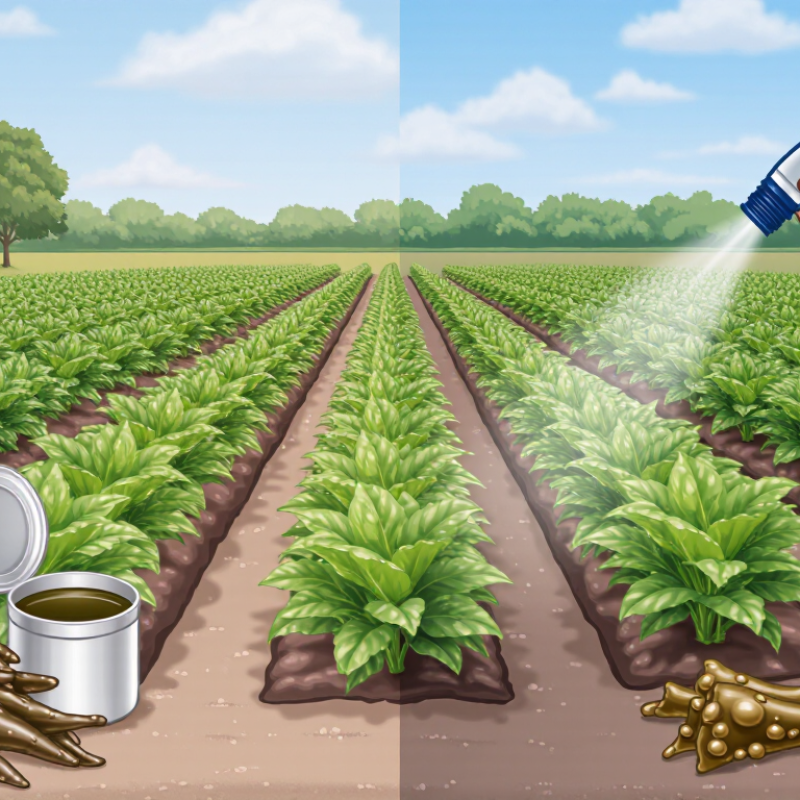
Table of Contents [Hide]
Understanding Ascophyllum Nodosum and Its Agricultural Uses
Ascophyllum nodosum is a brown seaweed that grows along cold, rocky North Atlantic shores. In agriculture, it is commonly processed into liquid extracts or soluble powders for use as a plant biostimulant. These products may contain natural compounds such as alginates, mannitol, minerals, and phenolic substances. Their composition can vary with seaweed maturity, harvest conditions, and processing. That variability matters.
Farmers use these extracts as seed treatments, soil applications, or foliar sprays. The aim is to support root growth, nutrient use, and crop resilience during stresses such as heat or limited water.
It is not a complete fertilizer. A seaweed extract cannot replace a soil test, balanced nutrition, or sound irrigation.
Results vary. For a practical comparison, a grower could spray a small section at the recommended growth stage and leave a similar section untreated. Record the rate, weather, crop stage, and visible changes, such as rooting or leaf condition.
Research findings are promising, but responses differ by crop and growing conditions; the evidence is useful, not perfectly tidy. Follow product directions, avoid mixing products without checking compatibility, and judge results across more than one field or season.
Brands
Proudly Trusted by Top Suppliers Worldwide







Let us know and we will automate, together to fit your industrial needs.
 +91-97254 16844
Clients
Proudly Trusted by Top Companies Worldwide


Do you need Help? Get in touch.
X
Please fill out the form below and we will get back to you as soon as possible.