How to Use Pudu Robot for Efficient Delivery and Service Solutions?
The Pudu Robot has transformed the way businesses approach delivery and service. This innovative technology streamlines operations, maximizes efficiency, and enhances customer experience. Designed for various environments, the Pudu Robot navigates crowded spaces with ease. It delivers food in restaurants and goods in retail settings, showcasing its versatility.
Using a Pudu Robot can seem straightforward, yet there are challenges to consider. For example, ensuring safe navigation in busy areas requires careful planning. Robot congestion and customer interaction can create situations needing human oversight. A balance between automation and personal touch is crucial.
As businesses explore this technology, reflection is vital. Understanding when to deploy a Pudu Robot can lead to success. However, over-reliance on automation might overlook the importance of human connection. The goal is to enhance service, not replace it. Embracing the Pudu Robot while retaining humanity in service is the ultimate challenge.
Understanding Pudu Robot's Role in the Delivery Service Industry
In recent years, the delivery service industry has seen dramatic changes. Robots are becoming essential in this sector. With the rise of e-commerce, consumer demand for quick service has skyrocketed. According to a report by the International Federation of Robotics, the logistics sector has witnessed a 20% increase in automation adoption. This trend points to the growing role of robotic solutions in delivery contexts.
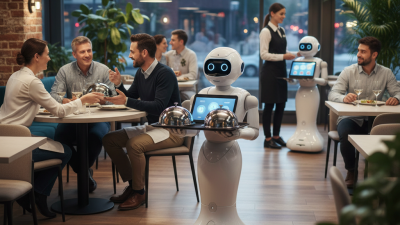
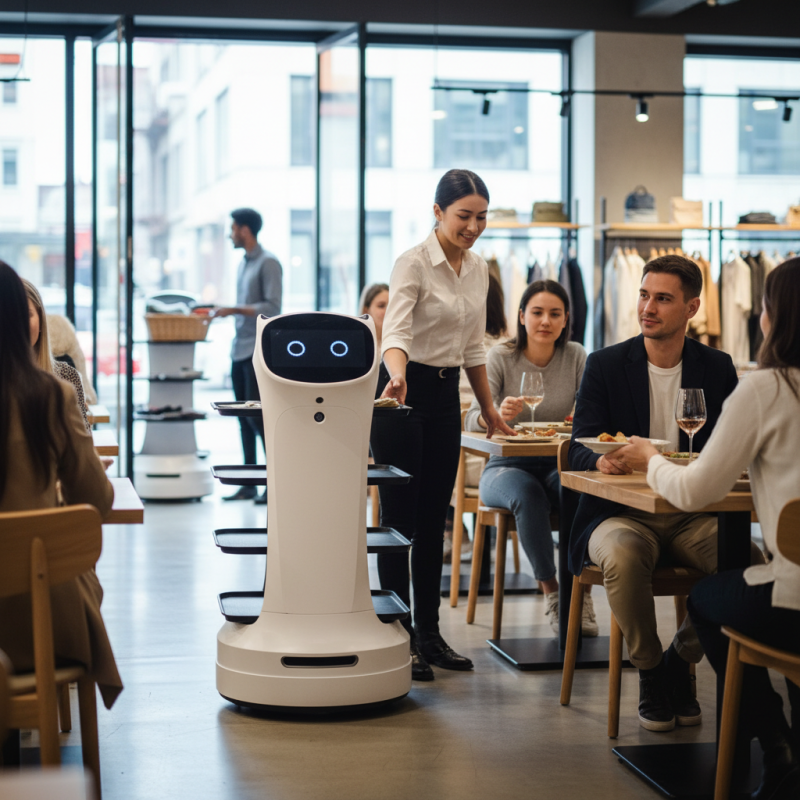
Pudu robots can navigate complex environments, reducing delivery times. They can deliver food, packages, and other items efficiently. In a restaurant setting, for instance, these robots can deliver meals directly to tables. This reduces staff workload but also raises questions about customer interactions. Some find robots lacking in the personal touch, which remains critical in service settings.
Additionally, operational costs may not always favor robot usage. Initial investments are high. Maintenance and software updates can add to ongoing expenses. On average, companies report that robots save around 30% on labor costs, but these savings vary. Businesses must weigh the benefits against potential drawbacks and continually assess their strategies.
Key Features of Pudu Robots That Enhance Delivery Efficiency
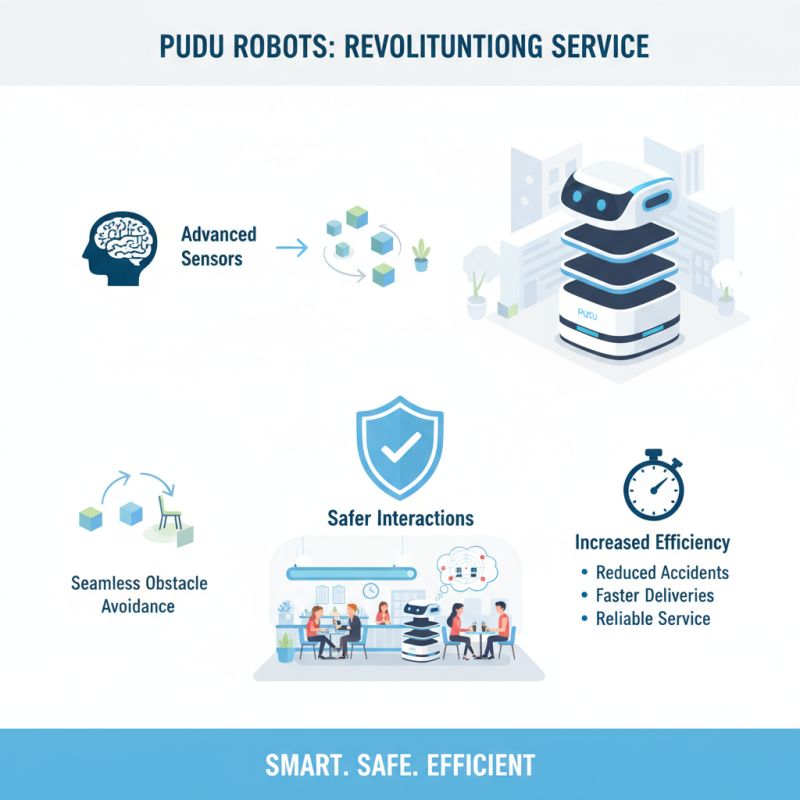
Pudu robots are revolutionizing delivery and service solutions. One standout feature is their ability to navigate through complex environments. Equipped with advanced sensors, these robots can avoid obstacles seamlessly. This capability significantly reduces the chances of accidents, allowing for safer interactions in busy settings.
Additionally, the autonomous navigation system enhances efficiency. These robots can make deliveries across various distances without human intervention. They function tirelessly, offering services even during peak hours. Their user-friendly interface allows staff to easily set delivery destinations. However, there's a learning curve for some employees. Familiarity with the technology can take time.
Moreover, the robots are designed to handle various tasks. From delivering food in restaurants to transporting items in hospitals, their versatility is impressive. Yet, issues occasionally arise, such as battery life during longer shifts. Regular monitoring is essential to ensure uninterrupted service. Feedback from users is crucial for continuous improvement, making these robots more reliable over time.
Statistical Analysis: Impact of Robot Delivery on Operational Costs
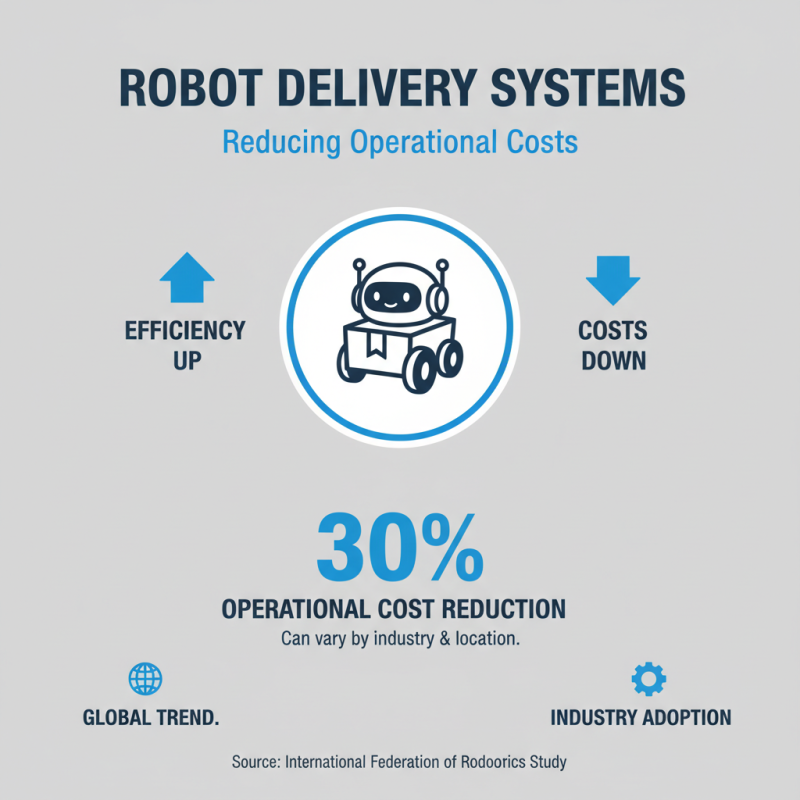
In recent years, many industries have embraced robot delivery systems. A study by the International Federation of Robotics marked a significant trend. It showed that robot delivery can reduce operational costs by up to 30%. This percentage can vary based on industry and location.
Operational cost reduction stems primarily from labor savings. For example, a robot can operate 24/7 with minimal downtime. While this can lead to reduced staffing needs, it raises questions. Can businesses rely solely on automation? This shift may create other costs, like maintenance and software updates.
Data indicates a 20% increase in efficiency when using delivery robots. However, not all operations transition smoothly. Some customers may prefer human interaction. Without addressing these preferences, businesses risk alienating a segment of their clientele. Balancing efficiency with service quality is essential. As industries adapt, they must continuously evaluate the impacts on both cost and customer satisfaction.
Case Studies: Successful Implementations of Pudu Robots in Various Sectors
In various sectors, robots have transformed service delivery. For instance, in a bustling restaurant, one innovative solution involved using robots for food delivery to tables. The efficiency was remarkable. Staff focused on customer interactions while robots navigated crowded spaces with ease. However, occasional hiccups occurred. A robot stalled at an entrance, causing a brief delay. It prompted discussions on altering the layout for smoother navigation.
Another case study in healthcare showcases robots delivering medications to patient rooms. This significantly reduced wait times. Nurses appreciated the extra time to focus on critical tasks. Yet, the reliance on technology raised concerns. Once, a robot mistakenly delivered a package to the wrong room. This mishap highlighted the need for improved navigation systems. Continuous learning is essential to enhance accuracy and reliability in real-world scenarios.
In the hospitality industry, robots manage room service efficiently. Guests enjoyed the novelty of a robot delivering meals. However, the experience wasn’t always flawless. One guest reported a delay in receiving their order, resulting in disappointment. It emphasized the importance of timely service in maintaining guest satisfaction. These examples show both the capabilities and limitations of robotic delivery systems.
Future Trends in Automated Delivery Solutions and Pudu's Strategic Position
The rapid evolution of automated delivery solutions is transforming the logistics landscape. According to a recent industry report, the global market for robotics in delivery is projected to exceed $14 billion by 2027. Companies are increasingly investing in robotic systems to streamline operations. Automated delivery reduces human error and enhances efficiency. However, there are still challenges to overcome.
Many businesses are hesitant to adopt these technologies fully. Integration with existing systems can be tricky. Additionally, consumers may be resistant to automated services. User acceptance remains critical for success. A survey indicated that 30% of consumers still prefer human interaction during delivery. This highlights a potential gap in service expectations.
Pudu's strategic position in the market reflects these ongoing trends. Innovations in robotics are essential, but so is understanding user needs. Data from the International Federation of Robotics states that the global adoption rate of delivery robots is only 5%. There is room for growth and improvement. Continuous refinement and responsiveness to consumer feedback are necessary. Automated solutions must aim for both efficiency and user satisfaction to thrive in this competitive environment.