o
p
t
i
m
a
r
o
b
o
t
i
c
s

Make a Call


Make a Call
Blogs
What Is a Seawater Desalination Membrane?
A Seawater Desalination Membrane is the working barrier inside a modern reverse osmosis system. It separates dissolved salts from seawater under high pressure. Most commercial membranes use a thin polyamide layer supported by porous materials. Water passes through this dense surface. Salt ions, microorganisms, and many dissolved contaminants remain behind.
The process looks simple. It is not. A seawater intake may carry sand, algae, oil traces, and organic matter. Pretreatment must reduce these threats before the water reaches the membrane. Inside a spiral-wound pressure vessel, feedwater moves across the membrane surface. Freshwater emerges through the membrane. Concentrated brine leaves through another path. Small design choices matter, including pressure, temperature, recovery rate, and cleaning frequency.
Professor Menachem Elimelech has warned, “Desalination is not a silver bullet for water scarcity.” His statement deserves attention. A reliable Seawater Desalination Membrane can achieve high salt rejection, but it cannot remove every environmental or operational concern. Energy consumption remains significant. Brine management also requires careful planning. Membrane fouling can slowly reduce production, even when the equipment appears normal. Operators often discover problems through rising pressure or declining permeate flow. That practical detail is easy to overlook. I may sound cautious, but caution protects drinking-water quality. The best membrane is not simply the one with the highest rejection rate. It must also deliver stable performance, manageable cleaning, long service life, and responsible brine control. This article examines how these membranes work, where they fail, and why material science matters.
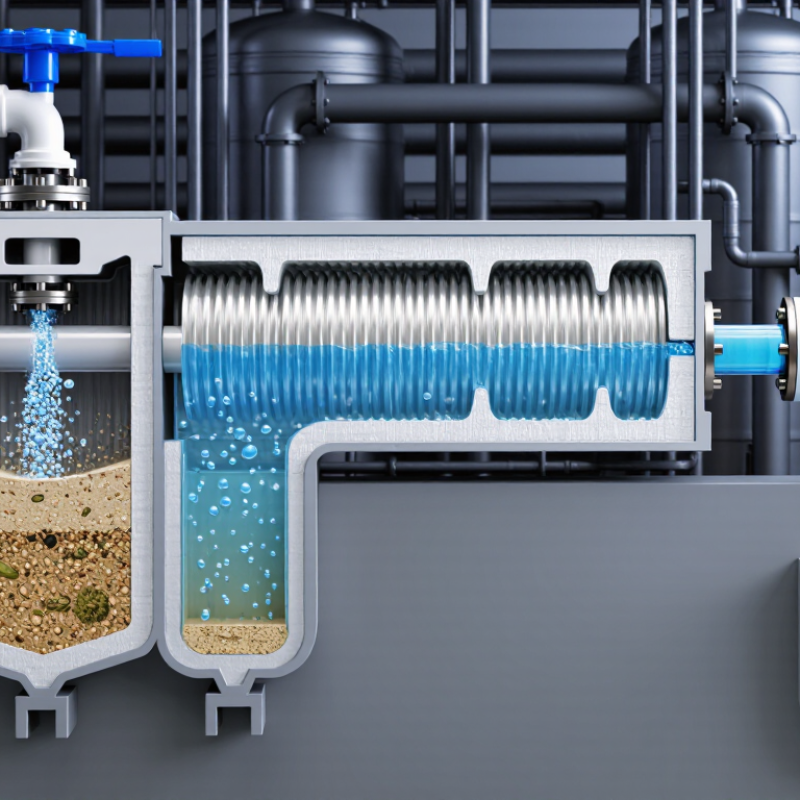
Table of Contents [Hide]
Definition and Role of a Seawater Desalination Membrane
What Is a Seawater Desalination Membrane?
Definition and Role of a Seawater Desalination Membrane
A seawater desalination membrane is a selective barrier used to separate dissolved salts from seawater. Most modern systems use reverse osmosis. High-pressure pumps push seawater across a thin membrane surface. Water molecules pass through. Salt ions, microorganisms, and many impurities remain in the concentrated stream. The product water is called permeate. The remaining flow is brine.
The membrane does more than remove salt. It helps control water quality, energy demand, and recovery rates. Seawater usually requires pressures of about 55 to 70 bar, depending on temperature and salinity. Membrane performance depends on pretreatment, pressure stability, and regular monitoring. Suspended solids can block the surface. Organic matter may cause fouling. Scaling can also reduce water flow.
It is not a magic filter.
Plant operators often track conductivity, permeate flow, pressure differences, and salt rejection. These figures reveal gradual damage before output changes become obvious. A well-designed pretreatment stage protects the membrane from sediment and biological growth. Cleaning schedules still require judgment. Over-cleaning can shorten membrane life, while delayed cleaning may cause permanent fouling. That balance is easy to underestimate. Manufacturers publish performance data, but real sites differ in temperature, feed quality, and operating habits. Membrane selection should therefore follow verified water analysis, pilot testing, and local operating records.
Brands
Proudly Trusted by Top Suppliers Worldwide







Let us know and we will automate, together to fit your industrial needs.
 +91-97254 16844
Clients
Proudly Trusted by Top Companies Worldwide


Do you need Help? Get in touch.
X
Please fill out the form below and we will get back to you as soon as possible.