o
p
t
i
m
a
r
o
b
o
t
i
c
s

Make a Call


Make a Call
Blogs
What Is a Vacuum Bag for Meat?
A vacuum bag for meat is a food-grade pouch designed to remove air before sealing. It presses closely against steaks, chops, or ground meat. This tight barrier helps reduce oxygen exposure, freezer burn, moisture loss, and unpleasant odors. The result is practical, not magical.
The global vacuum packaging market was valued at approximately USD 29 billion in 2023, according to Grand View Research. The report identifies food packaging as a major application, supported by demand for longer freshness and reduced food waste. PMMI’s 2023 packaging trends research also highlights sustainability, portion control, and extended shelf life as important priorities for food producers. These figures explain the commercial interest in Vacuum Bags Meat, from butcher counters to home freezers.
“Vacuum packaging is not a substitute for refrigeration,” explains Dr. Kevin Keener, a Purdue University food-processing expert. His warning deserves attention. Removing air does not destroy every microorganism. Meat still requires proper chilling, clean handling, and safe cooking. USDA guidance recommends keeping refrigerated meat at 40°F or below and freezing it when storage will be extended.
A good bag should resist punctures from sharp bone edges. It should also match the sealer, material, and intended storage temperature. Smooth bags may suit chamber machines, while textured bags often support external suction sealers. Small details matter.
One limitation remains easy to overlook. Vacuum sealing can hide spoilage signs, including odor changes or surface discoloration. Therefore, appearance alone cannot confirm safety. Used correctly, Vacuum Bags Meat can protect quality and reduce waste. Used carelessly, they may create false confidence.
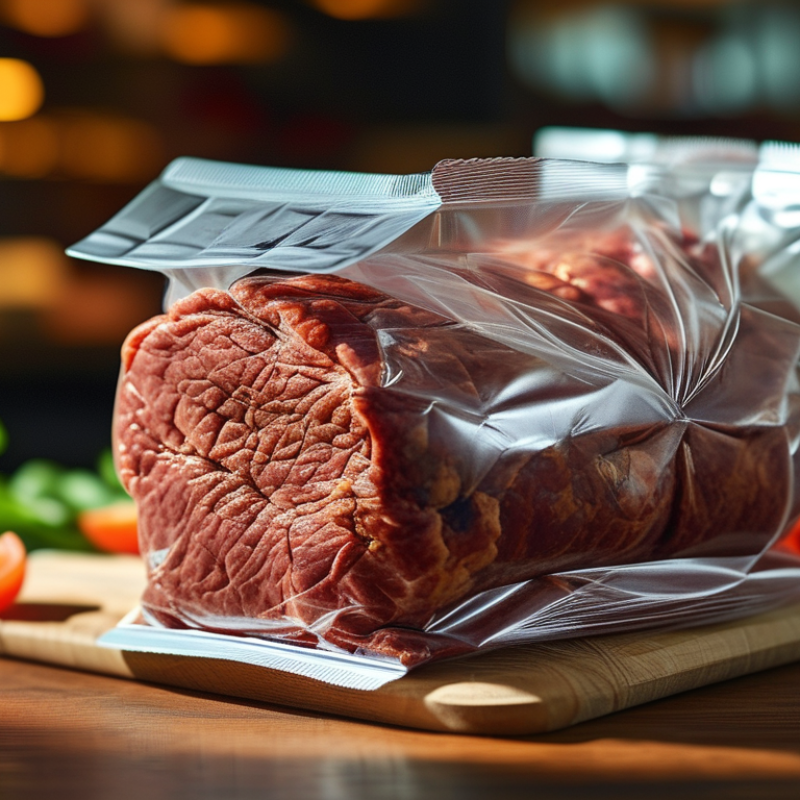
Table of Contents [Hide]
Definition and Purpose of a Vacuum Bag for Meat
What Is a Vacuum Bag for Meat?
Definition and Purpose of a Vacuum Bag for Meat
A vacuum bag for meat is a food-safe pouch designed to remove air before sealing. Most bags use several plastic layers for strength, flexibility, and moisture resistance. The sealed pouch holds meat tightly and limits contact with oxygen.
Its main purpose is to support safer, cleaner storage. Less air can reduce freezer burn, surface drying, and unpleasant odor transfer. It can also help preserve the meat’s texture during refrigerated or frozen storage. A tightly sealed bag may prevent leaking when raw meat rests on a refrigerator shelf.
But vacuum sealing does not make meat shelf-stable. It does not replace refrigeration, freezing, or proper cooking. Meat should be handled with clean hands and stored promptly at safe temperatures. A low-oxygen package can still become unsafe when storage conditions are poor.
Small details matter. A sharp bone may puncture the bag, so folded edges or bone guards can help. Liquid near the sealing area may weaken the seal. I would leave enough space above the meat for a firm closure. The process is not foolproof. A careful handler should inspect the seal, check for leaks, and label the package with the packing date. For sous vide cooking, use bags intended for cooking and follow tested time and temperature guidance.
Brands
Proudly Trusted by Top Suppliers Worldwide







Let us know and we will automate, together to fit your industrial needs.
 +91-97254 16844
Clients
Proudly Trusted by Top Companies Worldwide


Do you need Help? Get in touch.
X
Please fill out the form below and we will get back to you as soon as possible.