o
p
t
i
m
a
r
o
b
o
t
i
c
s

Make a Call


Make a Call
Blogs
Why Do Buyers Need a Chain Adjuster?
A chain drive can look simple: two sprockets, a length of chain, and steady movement. But even slight slack can cause noise, uneven wear, or a chain that jumps under load. A Chain Adjuster helps buyers set and maintain tension, making operation more predictable and routine inspections easier. The detail matters most in equipment that runs for long hours, carries changing loads, or operates where unexpected downtime is costly.
The U.S. Bureau of Labor Statistics reported 2.6 million nonfatal workplace injuries and illnesses in private industry for 2023. That figure does not prove that chain problems cause injuries; it does underline why equipment condition deserves careful attention. For technical selection, buyers can consult ANSI B29.1, which covers precision power-transmission roller chains and sprockets. Match the adjuster to the chain size, travel range, mounting space, and operating environment—not just the lowest purchase price.
A useful expert quotation would add context, but no verifiable named chain-drive specialist or source was provided for one. Inventing a quotation would weaken trust. The practical question remains: will the adjuster make tension checks repeatable, accessible, and compatible with the actual machine? Check the details before ordering. A few millimeters matter.
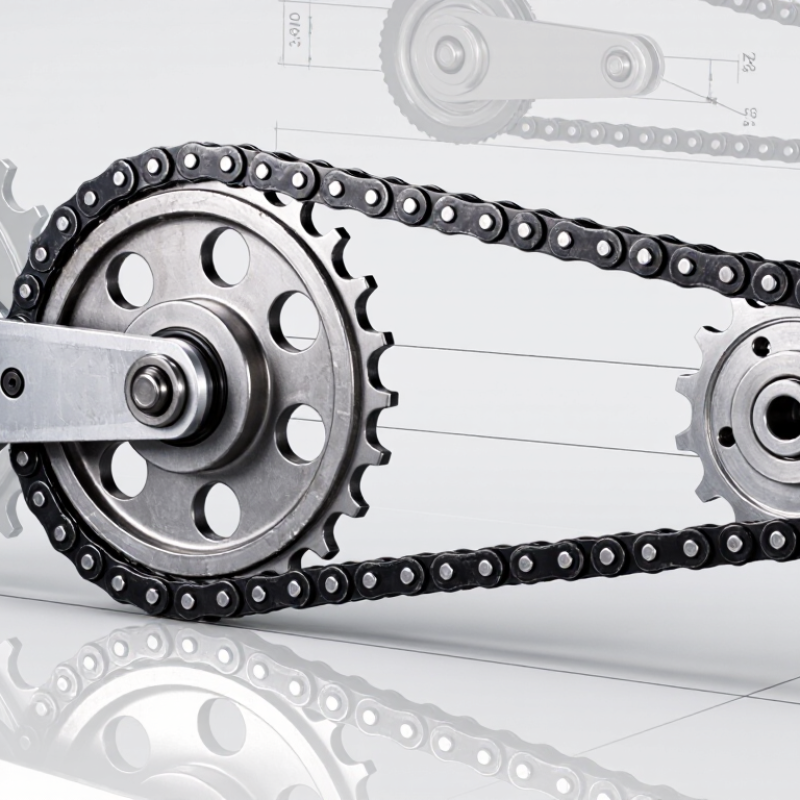
Table of Contents [Hide]
What a Chain Adjuster Is and How It Works
A chain adjuster helps position a motorcycle’s rear axle so the drive chain has the correct slack. Many designs use threaded bolts or adjuster blocks at the ends of the swingarm. Turning the bolts moves the axle slightly; matching adjustments on both sides helps keep the wheel aligned. A skewed wheel can cause uneven chain wear and affect handling. Small parts matter. Use the slack measurement and checking position specified in the owner’s manual, rather than adjusting by guesswork.
Tips: Check axle diameter, swingarm style, and adjuster shape before buying. Inspect threads for damage and confirm both adjusters can be secured properly. The scale is useful, but it does not prove wheel alignment.
Buyers should check whether the part fits directly or requires matching hardware. Material and corrosion resistance matter, especially on bikes ridden in wet or gritty conditions. A poorly fitting adjuster may shift during tightening or make repeatable settings difficult. A neat-looking scale can be reassuring, but verify alignment using the vehicle’s specified method. Recheck chain slack after tightening the axle nut to the specified torque; tension can shift slightly.
Brands
Proudly Trusted by Top Suppliers Worldwide







Let us know and we will automate, together to fit your industrial needs.
 +91-97254 16844
Clients
Proudly Trusted by Top Companies Worldwide


Do you need Help? Get in touch.
X
Please fill out the form below and we will get back to you as soon as possible.