o
p
t
i
m
a
r
o
b
o
t
i
c
s

Make a Call


Make a Call
Blogs
Why Choose a Commercial EV Charger for Your Business?
Choosing a Commercial Ev Charger is a practical decision, not merely a sustainability statement. It affects customer experience, operating costs, fleet productivity, and your site’s future readiness. A busy hotel may need reliable overnight charging, while a logistics depot may require several high-power units before dawn. The right system must match real traffic patterns.
Claas Bracklo, a recognized EV-charging specialist and former CharIN chairman, has said, “Interoperability is the key to mass adoption of electric vehicles.” That principle matters for businesses. Your charger should communicate smoothly with different vehicles, payment platforms, energy systems, and management software. It should also provide clear status information when a driver is standing beside a vehicle in the rain.
Reliability comes from more than charging speed. Installation quality, load management, maintenance access, weather protection, and responsive support all matter. An inexpensive unit may look attractive, but downtime can quickly damage trust and revenue. A faster charger is not always better. It may increase electrical demand without improving daily operations.
There is room for honest doubt. Some businesses install chargers before studying actual usage. That can leave expensive equipment underused. Others underestimate future demand and face disruptive upgrades later. Careful site assessment, professional installation, and measurable performance targets create a stronger foundation. This guide explores how a Commercial Ev Charger can support business growth, where common planning mistakes appear, and which practical questions deserve attention before purchase.
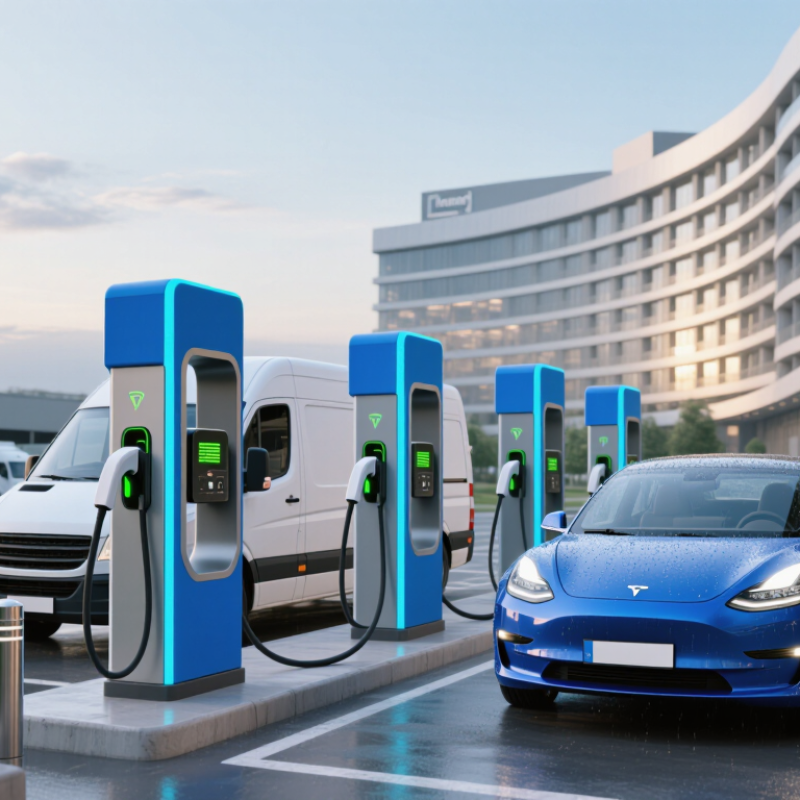
Table of Contents [Hide]
What Is a Commercial EV Charger?
A commercial EV charger is charging equipment designed for workplaces, retail sites, hotels, fleets, and public parking areas. Unlike a home unit, it supports heavier daily use, controlled access, payment functions, and professional monitoring. Its enclosure is usually stronger, while internal systems manage heat, current, and communication.
Most commercial sites use AC Level 2 chargers for employees and visitors who stay for several hours. DC fast chargers deliver energy much faster, but they require greater electrical capacity and careful site planning. Power output, connector compatibility, parking time, and local grid limits all affect the right choice. A larger charger is not always better.
In practice, reliable operation depends on more than the charger itself. Electrical inspections, weather protection, cable placement, lighting, and clear parking markings matter every day. Load management can prevent several vehicles from overwhelming a building’s power supply. Remote diagnostics also help maintenance teams identify failed sessions before drivers complain.
The first site plan may look perfect. Then traffic patterns reveal a problem. A cable may stretch across a walking route, or a charger may sit too far from the main panel. These details deserve another review. Businesses should compare expected demand with installation costs, service access, and future vehicle growth. That evidence creates a more dependable charging experience.
Brands
Proudly Trusted by Top Suppliers Worldwide







Let us know and we will automate, together to fit your industrial needs.
 +91-97254 16844
Clients
Proudly Trusted by Top Companies Worldwide


Do you need Help? Get in touch.
X
Please fill out the form below and we will get back to you as soon as possible.