o
p
t
i
m
a
r
o
b
o
t
i
c
s

Make a Call


Make a Call
Blogs
Why Choose a Residential Passenger Lift for Your Home?
A home should make everyday movement easier, not add another problem to manage. A Residential Passenger Lift can connect floors for older adults, people with limited mobility, and families carrying laundry or groceries. Imagine arriving upstairs with a basket in hand, without gripping the banister or stopping halfway. The benefit is practical. It can also make a home more adaptable as needs change.
Elevator consultant Dr. Albert So offers a useful expert perspective. The following line is an editorial paraphrase, not a verified verbatim quotation: “A home lift should fit the building, its users, and the way they live.” That distinction matters. Choosing a lift involves more than its appearance or travel speed. Homeowners need to consider available space, landing access, noise, power requirements, maintenance, and who will use it. A quiet cabin is welcome. So is a door that opens conveniently onto each floor.
This guide explores why a residential lift may suit a home, what features deserve close attention, and which questions to ask before installation. It also considers the less glamorous details, including servicing and future access needs. These can be overlooked. A lift is not automatically the right choice for every house, and a poorly planned layout can limit its usefulness. Careful assessment makes the decision more grounded—and the daily experience more comfortable.
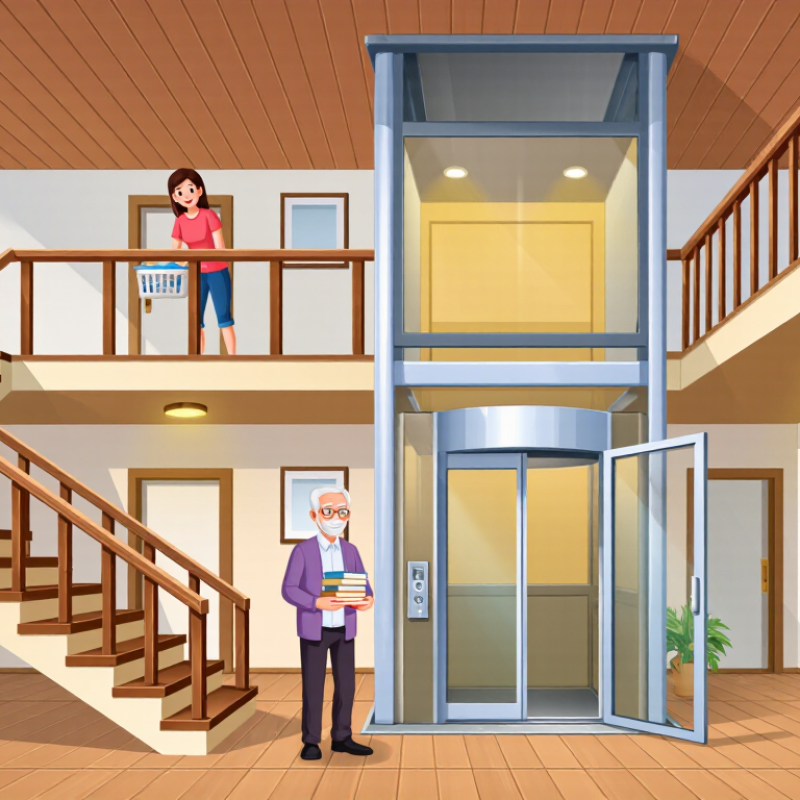
Table of Contents [Hide]
What Is a Residential Passenger Lift?
A residential passenger lift is a small elevator designed to carry people between floors inside a private home. It typically has an enclosed cabin, landing doors, and controls at each stop. Unlike a stairlift, which follows the line of a staircase, a passenger lift travels vertically through a dedicated space. The exact design depends on the house, the number of floors, and the people who will use it.
Small details matter. Before installation, a qualified lift professional can assess available space, floor structure, power supply, and the route through the home. A narrow hallway or low ceiling may affect where the lift can go. Options vary: some lifts need a shaft and pit, while others use different configurations. Safety features may include door interlocks, alarms, and emergency lowering, but details differ by model and should be checked in the product specifications. Regular servicing helps keep moving parts and safety systems in working condition.
A lift can make daily trips easier for someone with limited mobility, or for carrying laundry between floors. It also takes up space and needs ongoing care. It is not a perfect fit for every home; sometimes the practical compromises deserve a second look.
Brands
Proudly Trusted by Top Suppliers Worldwide







Let us know and we will automate, together to fit your industrial needs.
 +91-97254 16844
Clients
Proudly Trusted by Top Companies Worldwide


Do you need Help? Get in touch.
X
Please fill out the form below and we will get back to you as soon as possible.