o
p
t
i
m
a
r
o
b
o
t
i
c
s

Make a Call


Make a Call
Blogs
Why Choose a Gas Metal Arc Welder?
Choosing a Gas Metal Arc Welder can transform an ordinary fabrication task into a controlled, repeatable process. The machine feeds a continuous wire electrode through the gun, while shielding gas protects the molten weld pool. In a busy workshop, this means fewer stops for rod changes and smoother bead placement.
The advantages become visible on the workbench. A properly adjusted Gas Metal Arc Welder can join mild steel frames, automotive panels, stainless components, and many production parts. Wire speed and voltage respond quickly to material thickness. A steady arc can leave a clean bead with limited slag removal. That saves time, but it does not remove responsibility.
Welding educator John C. Lippold emphasizes, “Sound welds begin with sound process control.” His point remains practical. Clean metal, correct polarity, suitable gas flow, and stable hand movement all matter. Even a modern machine cannot repair contaminated steel or poor preparation. I have seen a small grounding mistake create spatter across an otherwise careful joint. It looked minor. It was not.
The machine also offers useful flexibility. Operators can select solid wire, flux-cored wire, or different shielding gases for specific applications. However, convenience can encourage careless settings. A fast travel speed may produce an attractive surface while leaving incomplete fusion underneath. That possibility deserves attention.
For many users, the real question is not whether this process is powerful. It is whether its speed, control, and learning curve match the work. The answer depends on material, joint design, production volume, and operator discipline. A Gas Metal Arc Welder is highly capable, but capability still requires judgment.
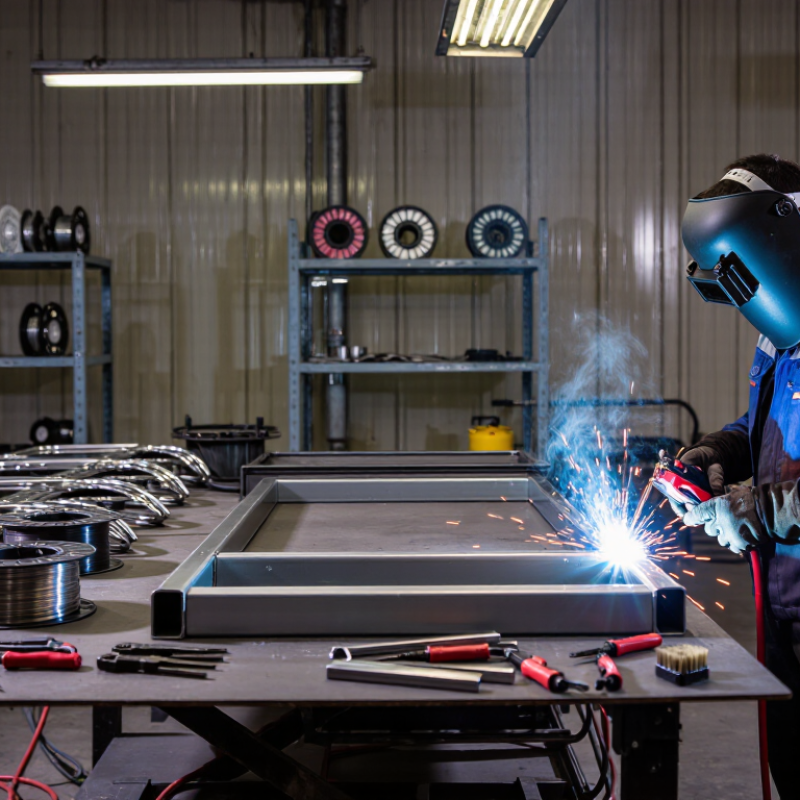
Table of Contents [Hide]
What Is a Gas Metal Arc Welder?
Why Choose a Gas Metal Arc Welder?
What Is a Gas Metal Arc Welder?
A gas metal arc welder, often called GMAW, joins metal with a continuously fed wire electrode. An electric arc melts the wire and the workpiece together. Shielding gas protects the molten weld from oxygen and moisture. This process creates a steady bead with less slag than some other welding methods.
In a workshop, the operator guides a welding gun across clean steel, aluminum, or stainless steel. Wire speed and voltage must match the material thickness. Poor settings can cause spatter, weak penetration, or an uneven bead. GMAW is productive because the wire feeds automatically. It also suits repeated fabrication work. Still, it is not effortless. Wind can disturb the shielding gas, and beginners often move the gun too quickly.
Tips: Clean the joint before welding. Check the gas flow and cable connections. Practice on scrap metal first. Keep the gun angle consistent, and watch the puddle instead of only the arc. A short pause may improve fusion at the edges. 焼? No, avoid weird. One imperfect weld can reveal a useful lesson. Record the settings, then adjust one variable at a time. Wear a properly rated helmet, gloves, protective clothing, and suitable ventilation equipment. Inspect the finished bead for cracks, undercutting, and visible gaps before relying on it.
Brands
Proudly Trusted by Top Suppliers Worldwide







Let us know and we will automate, together to fit your industrial needs.
 +91-97254 16844
Clients
Proudly Trusted by Top Companies Worldwide


Do you need Help? Get in touch.
X
Please fill out the form below and we will get back to you as soon as possible.