o
p
t
i
m
a
r
o
b
o
t
i
c
s

Make a Call


Make a Call
Blogs
Why Choose Vinyl Cutter Software for Your Business?
Choosing the right Vinyl Cutter Software can shape how efficiently a business turns digital artwork into finished products. A small sign shop may begin with one cutter, a laptop, and rolls of adhesive vinyl. As orders grow, that simple setup can become difficult to manage. Accurate software helps operators prepare designs, control cutting paths, adjust scale, and reduce avoidable material waste.
In daily production, experienced users often look for compatibility before attractive features. The software should communicate reliably with the cutter and support common file formats. It should also provide useful tools for weeding lines, mirrored transfers, layered graphics, and precise blade settings. A clear preview can prevent an expensive mistake before the machine starts. That matters when a single roll of specialty vinyl costs more than expected. Good technical support and regular updates also strengthen confidence, especially when operating systems or cutter drivers change.
Still, Vinyl Cutter Software is not a magic solution. New users may need time to understand nodes, offsets, pressure settings, and material behavior. Even skilled operators can miss a tiny gap in a letter or choose the wrong cutting depth. I have found that testing on a small sample remains wise, although it can slow production slightly. The best choice depends on the business workflow, team experience, equipment, and budget. A careful evaluation should compare trial results, customer support, design control, and long-term reliability rather than relying on impressive advertising alone.
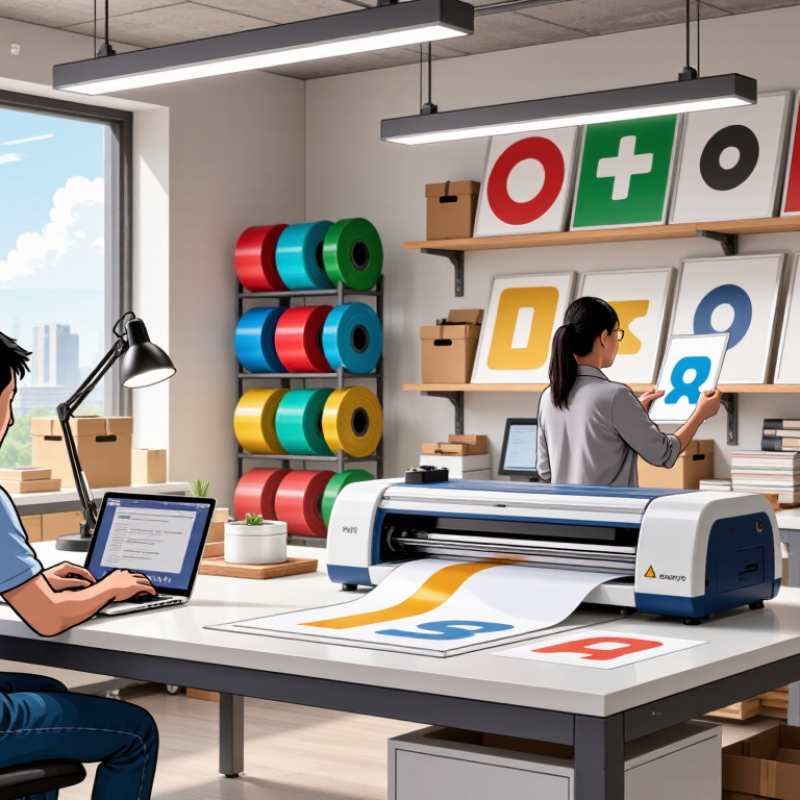
Table of Contents [Hide]
What Is Vinyl Cutter Software and How Does It Work?
Why Choose Vinyl Cutter Software for Your Business?
What Is Vinyl Cutter Software and How Does It Work?
Vinyl cutter software converts artwork into cutting instructions for a plotter. It reads vector paths, assigns cut lines, and controls blade movement. The software also manages scale, spacing, weeding boxes, and material settings. In practice, this means a storefront letter can be designed, previewed, and cut with fewer manual adjustments. It is software. But accuracy depends on preparation.
A typical workflow begins with a vector file. The program removes overlapping paths and separates colors or layers. It then sends coordinates to the cutter through a wired or wireless connection. Blade pressure and cutting speed must match the vinyl’s thickness. Small errors matter. A deep blade can damage the backing sheet, while low pressure leaves unfinished corners. I still misjudge margins sometimes, especially with narrow lettering.
Industry data supports the need for efficient digital production. Smithers reported that the global digital print market was worth about $136.7 billion in 2023, with continued growth expected through 2028. Grand View Research also identified signage and display applications as important areas for digital printing expansion. These figures do not measure vinyl cutter software directly. They show a wider shift toward flexible, short-run production. Software helps businesses respond to that shift by reducing setup time and improving repeatability. However, automatic settings are not always perfect. Material testing remains essential before selling a finished job.
Brands
Proudly Trusted by Top Suppliers Worldwide






Let us know and we will automate, together to fit your industrial needs.
 +91-97254 16844
Clients
Proudly Trusted by Top Companies Worldwide


Do you need Help? Get in touch.
X
Please fill out the form below and we will get back to you as soon as possible.