o
p
t
i
m
a
r
o
b
o
t
i
c
s

Make a Call


Make a Call
Blogs
Why Choose a Moto Electric Bike for Global Buyers?
For global buyers, the Moto Electric Bike is becoming more than a transport product. It is a practical response to rising fuel costs, urban congestion, and stricter emissions goals. The International Energy Agency’s Global EV Outlook 2024 identifies electric two- and three-wheelers as the largest road-electrification segment by fleet size. This matters in crowded cities, where a compact bike can move efficiently through narrow streets and limited parking areas.
Real-world value depends on more than motor power. Battery capacity, charging time, range, warranty coverage, and replacement support deserve careful attention. BloombergNEF’s Electric Vehicle Outlook 2024 highlights continuing battery-cost improvements and broader electrification across transport markets. However, buyers should not treat every forecast as a guarantee. Local electricity prices, climate conditions, road quality, and service networks can change ownership costs sharply.
A reliable Moto Electric Bike should also meet the destination market’s safety and equipment requirements. Buyers need clear technical specifications, traceable battery information, dependable brakes, quality lighting, and documented after-sales support. The European Environment Agency and other transport authorities continue to emphasize safer, lower-emission urban mobility, but policy details differ between countries. That difference is easy to overlook.
The best choice is therefore market-specific. A commuter in Barcelona may prioritize removable charging. A delivery rider in Bangkok may value battery durability and service access. A rural user may need stronger suspension and longer range. The answer is not always yes. Yet, when product quality, compliance, and local support align, the Moto Electric Bike can offer measurable efficiency, quieter travel, and a more flexible ownership experience.
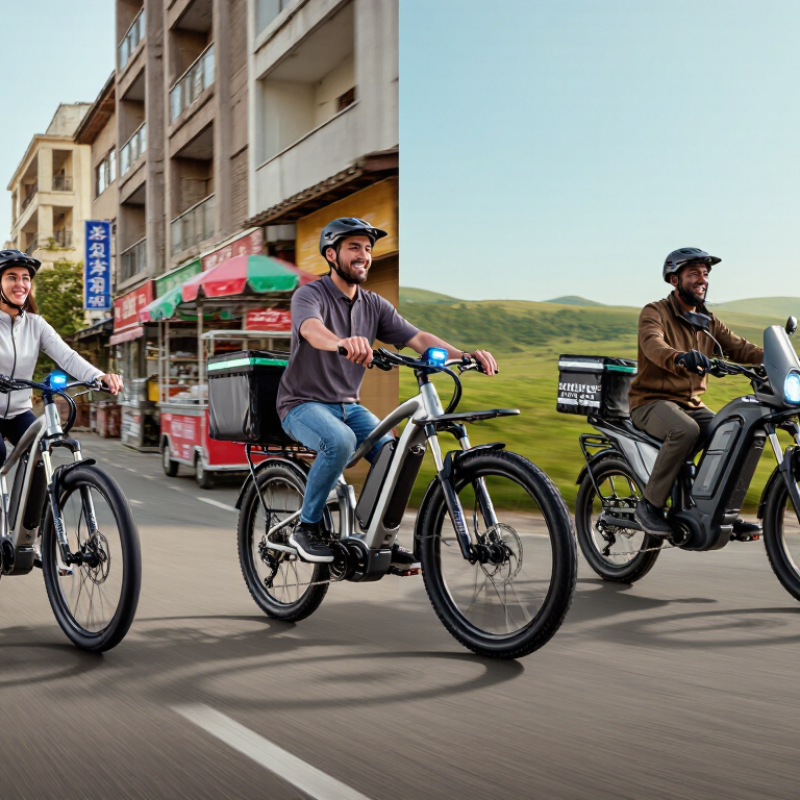
Table of Contents [Hide]
What Is a Moto Electric Bike?
Why Choose a Moto Electric Bike for Global Buyers?
A moto electric bike is a two-wheeled electric vehicle shaped like a small motorcycle. It uses a rechargeable battery and an electric motor instead of a fuel engine. Riders control speed with a handlebar throttle, while footrests and a wider seat improve comfort. Many models include pedals, but their motorcycle-style frame usually feels more substantial than a standard electric bicycle. The exact classification depends on motor power, maximum speed, and local regulations.
For global buyers, this design offers quiet urban travel and convenient daily charging. A home outlet may refill the battery overnight, although charging time varies with battery size and charger output. Check the frame weight, brake performance, tire grip, and battery protection before purchase. In practical use, a low center of gravity feels stable on wet streets, but heavy batteries can make stairs difficult. A common mistake is judging range from laboratory figures. Cold weather, hills, cargo, and rider weight can reduce real distance noticeably. That detail deserves more attention.
Tips: Confirm voltage compatibility and charger certification before shipping. Ask for battery test records, warranty terms, spare-part access, and service instructions. Check local rules for registration, helmets, speed limits, and road access. Test the riding position if possible. Small discomfort becomes tiring on longer trips. Also inspect cable seals after rain. The protection may be adequate, but assumptions are not inspections.
Brands
Proudly Trusted by Top Suppliers Worldwide







Let us know and we will automate, together to fit your industrial needs.
 +91-97254 16844
Clients
Proudly Trusted by Top Companies Worldwide


Do you need Help? Get in touch.
X
Please fill out the form below and we will get back to you as soon as possible.