o
p
t
i
m
a
r
o
b
o
t
i
c
s

Make a Call


Make a Call
Blogs
Why Choose Smart Tag GPS Tracker for Global Buyers?
Global travel, e-commerce, and connected living are changing how people protect valuable belongings. A Smart Tag Gps Tracker can help users locate luggage, bicycles, equipment, or family assets through a mobile application. Its small body may fit inside a suitcase lining, while GPS, Bluetooth, cellular networks, and geofencing support location updates across different environments.
The opportunity is measurable. MarketsandMarkets valued the global asset tracking market at approximately USD 17.3 billion in 2023. It projects the market to reach USD 36.5 billion by 2028, with a 16.1% compound annual growth rate. Berg Insight also reports continuing growth in active tracking systems across Europe and North America. These figures show expanding demand, but they do not guarantee every product performs equally well.
Kevin Ashton, the IoT pioneer credited with coining “Internet of Things,” said, “The Internet of Things has the potential to change the world, just as the Internet did. Maybe even more so.” His observation explains why connected tracking is becoming practical for global buyers. Yet, expectations require discipline. No device is magic. GPS signals can weaken indoors, underground, or between tall buildings. Battery life also depends on reporting frequency and network conditions. Responsible buyers should examine certification, roaming support, data protection, app reliability, and after-sales service before purchasing. A tracker should reduce uncertainty, not create another one. This guide explores why a Smart Tag Gps Tracker may suit international users, while honestly considering its technical limits, regional compatibility, and everyday operating costs.
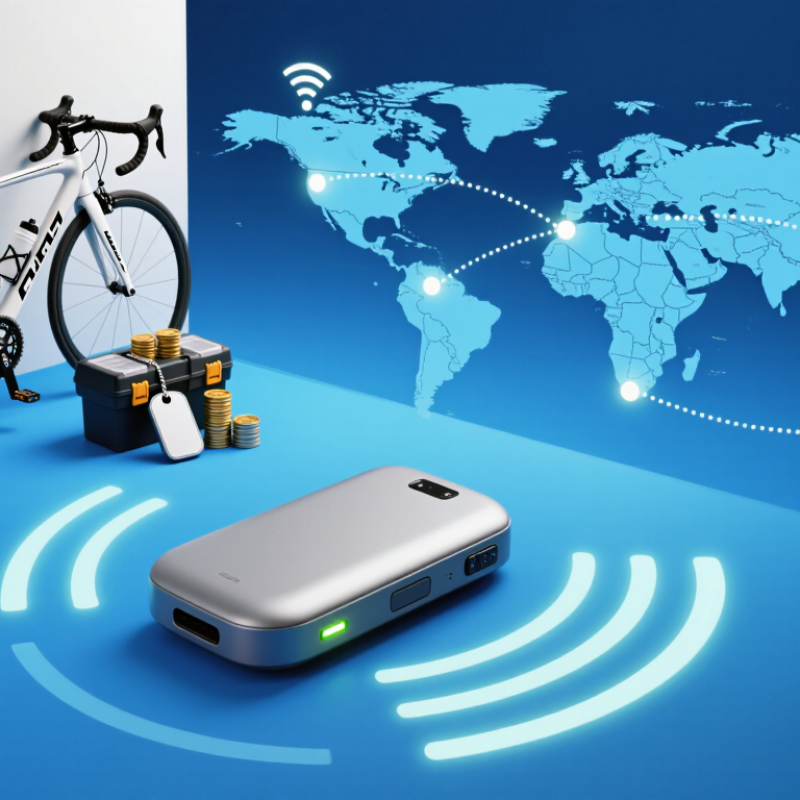
Table of Contents [Hide]
What Is a Smart Tag GPS Tracker?
A smart tag GPS tracker is a compact locator for people, luggage, vehicles, or valuable equipment.
It uses GNSS satellites to estimate location. It may also use cellular networks, Wi-Fi, and Bluetooth when satellite signals weaken. An app displays the tracker’s position, movement history, and geofence alerts.
However, indoor accuracy can drop sharply. It is not magic.
IoT Analytics reported 16.6 billion connected IoT devices worldwide in 2023. The figure may reach 18.8 billion in 2024, showing stronger demand for connected tracking tools.
For global buyers, network compatibility matters as much as GPS accuracy. Check supported LTE bands, roaming availability, local coverage, battery life, and charging conditions.
A tracker can look excellent online yet fail during travel. That is an uncomfortable but useful reminder.
Tips:
Test the device outdoors and inside a building before relying on it. Review location permissions, data storage, and alert settings carefully.
Smaller trackers often sacrifice battery capacity. Larger units may last longer, but they are less discreet and less convenient.
Also, compare reported accuracy with real movement tests, not only laboratory claims. A practical evaluation should include airports, underground parking areas, and crowded urban streets.
Reliability is usually a balance, not a perfect feature list.
Brands
Proudly Trusted by Top Suppliers Worldwide







Let us know and we will automate, together to fit your industrial needs.
 +91-97254 16844
Clients
Proudly Trusted by Top Companies Worldwide


Do you need Help? Get in touch.
X
Please fill out the form below and we will get back to you as soon as possible.