o
p
t
i
m
a
r
o
b
o
t
i
c
s

Make a Call


Make a Call
Blogs
Why Choose Fish Meal Rendering Equipment?
Fish Meal Rendering Equipment is becoming a strategic investment as aquaculture expands worldwide. The FAO reported 185.4 million tonnes of global fisheries and aquaculture production in 2022. Aquaculture supplied 51 percent of aquatic animals for human consumption. OECD-FAO Agricultural Outlook 2024–2033 expects this share to keep rising. More farmed fish means stronger demand for consistent marine-protein ingredients.
The opportunity is practical, not merely theoretical. Fresh raw material enters the plant, then moves through cooking, pressing, drying, and milling. Each stage affects protein quality, moisture, energy use, and odor control. Well-designed Fish Meal Rendering Equipment can shorten handling time and reduce avoidable heat damage. Small details matter. A blocked screen can disrupt an entire production shift. Poor drying can also increase storage risks and product inconsistency.
FAO Director-General Qu Dongyu has described aquaculture as “the fastest-growing food-producing sector in the world.” That growth places greater responsibility on processors. Equipment buyers should examine throughput, corrosion resistance, steam efficiency, cleaning access, and traceability features. IFFO reports that fishmeal and fish oil remain important ingredients in aquafeeds, especially where digestible nutrients are required. However, the picture is not perfect. Technology alone cannot guarantee sustainability. Raw-material sourcing, maintenance records, operator training, and verified emissions data remain essential. A cheaper machine may become expensive later. This guide examines the operational evidence behind modern rendering systems, while recognizing that every factory has different raw materials, energy conditions, and production targets.
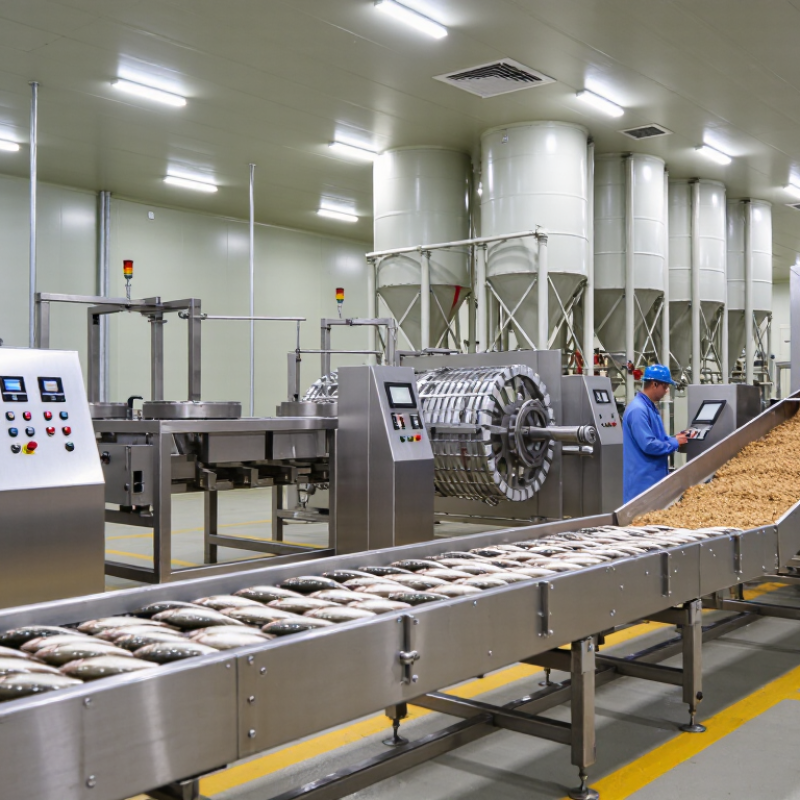
Table of Contents [Hide]
What Is Fish Meal Rendering Equipment?
Why Choose Fish Meal Rendering Equipment?
Fish meal rendering equipment converts fish processing by-products into stable, protein-rich meal and oil. The process usually includes cooking, pressing, drying, grinding, and screening. Each stage matters. Poor cooking can reduce protein quality, while excessive heat may damage amino acids.
The opportunity is substantial. The FAO’s State of World Fisheries and Aquaculture 2024 reported 185.4 million tonnes of global aquatic animal production in 2022. Much of this activity creates frames, trimmings, and smaller fish that need careful handling. IFFO’s industry data indicates global fishmeal production remains close to five million tonnes annually, although yearly volumes change with landings and quotas. Rendering equipment helps processors recover value from these materials. It also reduces wet waste, unpleasant odors, and transport weight. However, equipment alone is not a complete solution. Energy use, wastewater control, and raw-material freshness still require daily supervision.
Tips: Check the cooker temperature, press pressure, and dryer moisture regularly. Aim for consistent moisture before grinding. A practical target is often around 8–10%, but the correct level depends on storage conditions and product specifications. Keep records. Small errors become expensive across a full production shift.
Modern systems can improve heat recovery and automate feeding, yet automation is not always perfect. Sensors need calibration. Operators still make important judgments when raw materials vary. That human experience is easy to overlook. Data from FAO and IFFO supports the industry’s scale, but each facility needs its own trials, maintenance plan, and quality testing.
Brands
Proudly Trusted by Top Suppliers Worldwide







Let us know and we will automate, together to fit your industrial needs.
 +91-97254 16844
Clients
Proudly Trusted by Top Companies Worldwide


Do you need Help? Get in touch.
X
Please fill out the form below and we will get back to you as soon as possible.