o
p
t
i
m
a
r
o
b
o
t
i
c
s

Make a Call


Make a Call
Blogs
Why Are Winter Items Essential for Global Buyers?
Winter Item demand is no longer limited to countries with long, freezing seasons. Global buyers now respond to changing temperatures, urban lifestyles, and sharper weather disruptions. The World Meteorological Organization’s State of the Global Climate 2024 reported that 2024 was the warmest year on record, at about 1.55°C above the pre-industrial average. However, warmer averages do not eliminate sudden cold spells. They make planning more uncertain. Retailers may need insulated jackets, thermal base layers, gloves, and waterproof footwear across different regional calendars.
Practical experience shows that winter purchasing is highly local. A buyer in Stockholm may prioritize heavy down insulation, while a buyer in Seoul may prefer lightweight layering. In North America, demand can rise quickly after a forecasted storm. In emerging urban markets, compact warmth and easy storage may matter more. The International Trade Centre highlights clothing as a major global traded product, reinforcing the importance of reliable sourcing and consistent quality. Meanwhile, Textile Exchange’s Materials Market Report 2024 estimated global fiber production at 124 million tonnes in 2023, with continued growth projected. Material choice therefore deserves careful attention.
A Winter Item must protect people, fit local use, and support responsible supply decisions. Not every “winter” product suits every market. That assumption needs questioning. Buyers should examine thermal performance, fabric durability, sizing, packaging, and supplier traceability. The argument is strong, but not complete. Weather forecasts can change, and sales data may hide unsold inventory. Professional procurement combines climate evidence, customer feedback, product testing, and realistic replenishment plans. That approach makes winter goods more dependable, commercially useful, and better aligned with evolving global demand.
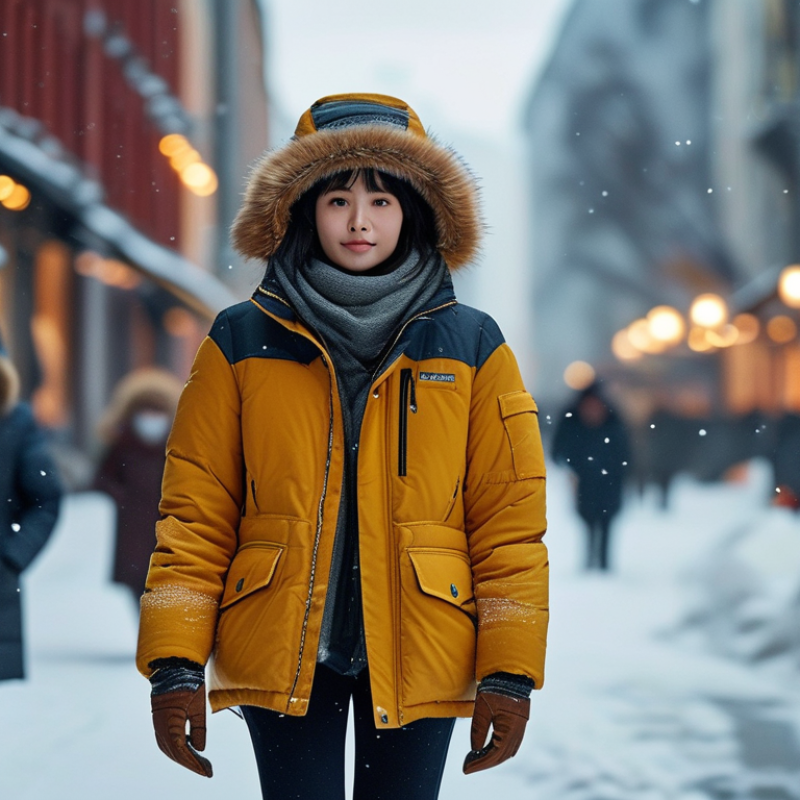
Table of Contents [Hide]
Definition and Scope of Winter Items
Why Are Winter Items Essential for Global Buyers?
Winter items are products designed to protect people, homes, and workplaces from cold conditions.
Definition and Scope of Winter Items
The category includes insulated jackets, thermal underwear, gloves, scarves, boots, blankets, heaters, and moisture-resistant accessories. It also covers practical items such as snow shovels, cold-storage workwear, and protective packaging. The scope is broader than fashion.
For global buyers, winter items must match local temperatures, humidity, wind, and daily habits. A lightweight jacket may suit a mild coastal city but fail in a dry inland winter. Materials, insulation levels, stitching, zippers, and lining quality require careful evaluation. Buyers should also check sizing systems, care instructions, packaging strength, and product testing records. In my experience, appearance often attracts attention first, but performance determines repeat orders. The category is not perfectly fixed. Some seasonal items become useful during cold rain or unexpected weather.
Tips: Compare products by temperature range, fabric performance, and intended activity. Request samples before larger purchases. Test seams, closures, insulation, and comfort in realistic conditions. Keep regional needs visible in every specification.
Global sourcing also requires dependable documentation and consistent quality control. Product descriptions should state materials clearly and avoid exaggerated warmth claims. Buyers can reduce mistakes by reviewing inspection photos, measurement charts, and shipment conditions. A small mismatch can create returns, delays, and customer complaints. That risk deserves attention.
Brands
Proudly Trusted by Top Suppliers Worldwide







Let us know and we will automate, together to fit your industrial needs.
 +91-97254 16844
Clients
Proudly Trusted by Top Companies Worldwide


Do you need Help? Get in touch.
X
Please fill out the form below and we will get back to you as soon as possible.