What are the Benefits of Restaurant Robots in 2026?
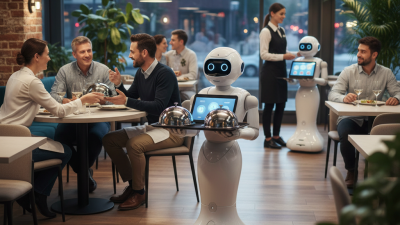
In 2026, the restaurant industry has undergone a significant transformation with the integration of restaurant robots. These advanced machines enhance efficiency and improve customer experience. According to Dr. Sarah Chen, an expert in robotics and hospitality, "Restaurant robots streamline operations, allowing staff to focus on service." Her insights highlight the importance of blending automation with human touch.
Restaurant robots take on various tasks, such as food preparation, delivery, and even cleaning. This technology not only speeds up service but also ensures consistency in food quality. For instance, robots can prepare dishes with precise measurements, reducing waste and maintaining flavor. As we explore this trend, it's crucial to consider that not all guests may embrace robotic interactions. Some diners might miss the personal connection typically offered by human staff.
Despite the benefits, the reliance on restaurant robots raises questions about job displacement. Employees may find themselves navigating a new landscape where their roles are evolving. It's essential for the industry to strike a balance between technology and human interaction. Ultimately, while restaurant robots bring numerous advantages, continuous reflection on their impact is vital for a sustainable future in dining.
The Rise of Automation: How Restaurant Robots Enhance Efficiency in 2026
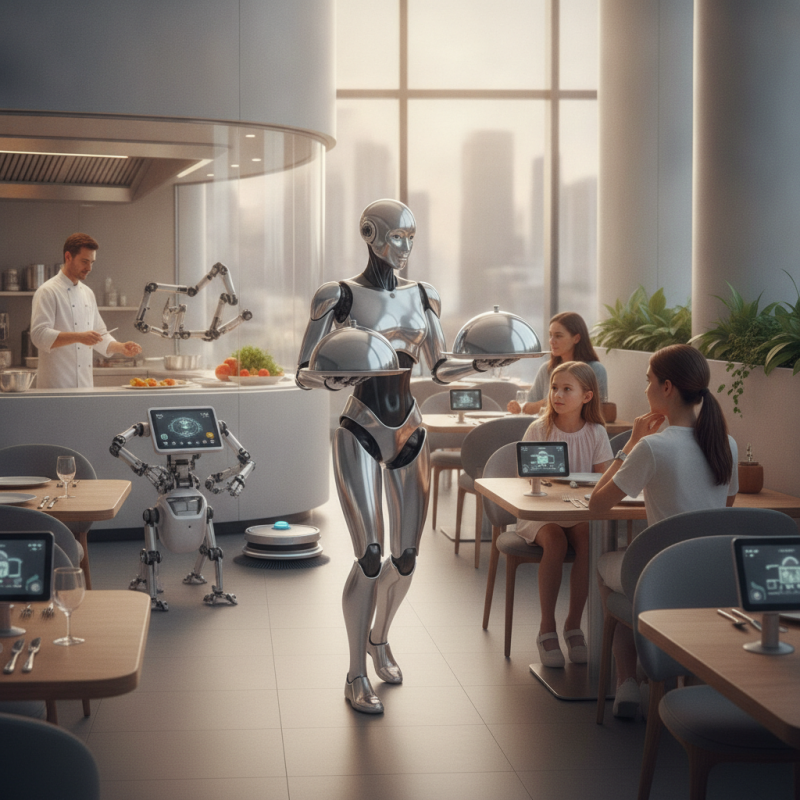
The push for automation in restaurants has redefined efficiency in 2026. Restaurant robots can streamline operations, handling tasks like food preparation and order processing. With precision and speed, they reduce wait times, improving customer satisfaction. Many restaurants have adopted robots to tackle repetitive tasks. This frees up staff to focus on customer service. However, concerns about job displacement emerge. Balancing automation and human interaction is crucial.
Tips for implementation: Start small. Introduce robots for specific tasks, like dishwashing. Monitor their impact on staff and workflow. Gather feedback from employees and customers. Adapting to robot integration takes time. Training employees to work alongside robots enhances teamwork.
As automation grows, tech solutions must remain user-friendly. Some robots may face malfunctions or require downtime. It's essential to have maintenance plans in place. Reflecting on these challenges can lead to better strategies. Automation should complement the restaurant experience. Ultimately, a harmonious blend of human touch and robotic efficiency creates an inviting atmosphere.
Cost Reduction Impact: Analyzing Labor Savings with Robot Integration
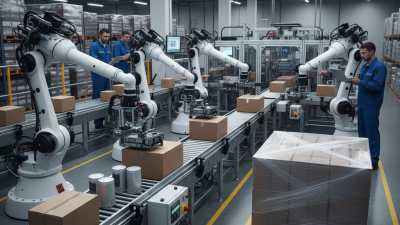
In 2026, restaurant robots are reshaping the industry. One of their significant contributions is cost reduction. By automating routine tasks, establishments can reallocate labor resources more effectively. These robots handle food preparation and cleaning, which reduces the need for a large staff. This leads to fewer payroll expenses and lower operational costs.
Labor savings are evident in various areas. For instance, kitchen robots can chop vegetables and mix ingredients quickly. They perform these tasks consistently and without fatigue. As a result, restaurants can maintain higher efficiency levels.
However, the transition to robotics also brings challenges. Not every worker is adaptable to this technology. Staff training becomes crucial. Restaurants must ensure employees are skilled in overseeing robotic systems.
Additionally, there are concerns about initial investment costs. Setting up a robotic system can be expensive. Not every establishment may see immediate financial benefits. Some may struggle with the integration. Finding a balance between human and robotic labor is essential. Even with these hurdles, the potential long-term savings offer a compelling reason for many to explore this innovation in the restaurant sector.
Customer Experience Transformation: Faster Service with AI-Driven Robots
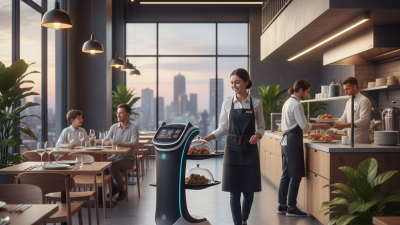
The restaurant industry is undergoing a significant transformation with the integration of AI-driven robots. These robots enhance customer experience by providing faster service. Imagine entering a restaurant where your order is taken by a friendly robot. It swiftly processes your request and delivers your food without the usual delays. This technology reduces wait times considerably.
However, it's essential to consider that while robots increase efficiency, they can't entirely replace human interaction. Sometimes, customers may prefer a personal touch, especially when facing difficulties or special requests. Balancing this can be challenging. There are instances where the robots may malfunction, leading to confusion. Restaurants must constantly assess these situations to improve their services.
Moreover, the use of robots raises concerns about job displacement. Many workers fear losing their positions to automation. Striking a balance between advanced technology and human employment remains crucial. As robots take over routine tasks, attention to hiring staff who focus on unique customer experiences becomes vital. The journey towards an AI-driven restaurant future holds promise, but it also warrants careful thought and adaptation.
Benefits of Restaurant Robots in 2026
This bar chart illustrates the projected benefits of using restaurant robots in 2026, emphasizing how AI-driven robots contribute to faster service, increased operational efficiency, and overall enhanced customer experiences.
Data-Driven Decision Making: Leveraging Analytics from Restaurant Robots
The rise of restaurant robots in 2026 has transformed how data-driven decisions are made. With robots handling tasks like food preparation and delivery, they gather valuable data. This data provides insights into customer preferences and operational efficiency. Restaurant owners can analyze trends in real-time, leading to smarter inventory management. Predictive analytics can optimize menu offerings based on popular choices.
Yet, relying solely on data comes with risks. It may overlook the human touch that dining experiences require. Decisions based entirely on analytics might miss the nuances of customer satisfaction. For instance, a popular dish might not always mean high customer satisfaction. It's important to balance data insights with direct feedback.
Additionally, while robots can streamline service, they can also create challenges. Not all customers are comfortable with automated service. There's a risk of alienating those who prefer personal interaction. Restaurants need to find a middle ground. Utilizing analytics will be beneficial, but human oversight remains crucial for a holistic dining experience.
Safety and Hygiene Improvements: Robots in Food Handling and Preparation
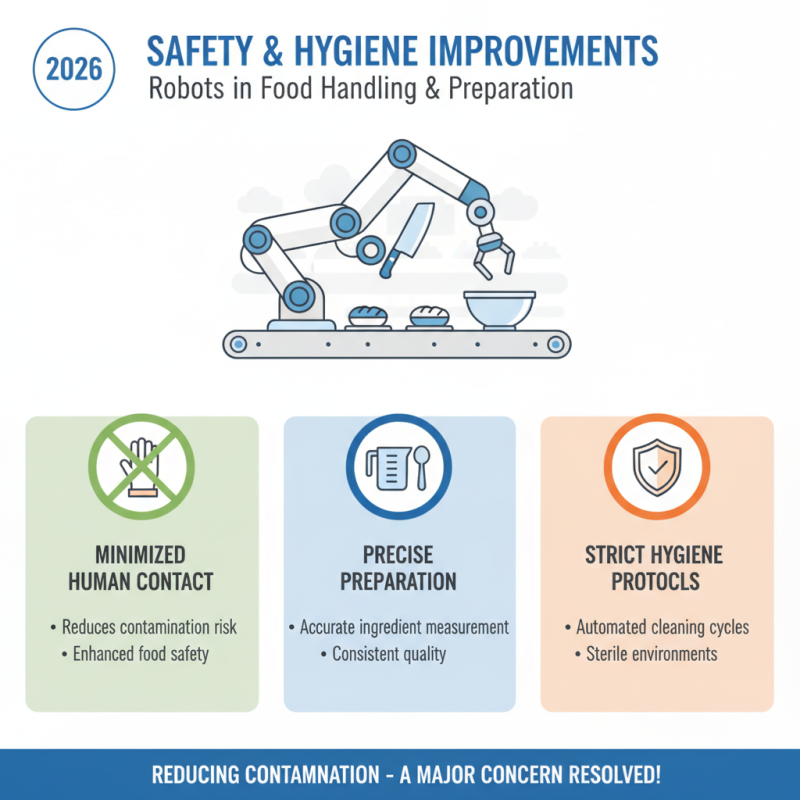
In 2026, the integration of robots in restaurants significantly enhances safety and hygiene in food handling and preparation. These robots are designed to minimize human contact with food. They can accurately measure ingredients and follow strict hygiene protocols. This reduces the risk of contamination, a major concern in food service.
Using robots for tasks like chopping vegetables and mixing sauces ensures consistent quality. They operate in controlled environments where cleanliness is paramount. However, there are challenges. Relying on machines might lead to oversight of critical checks that a human would normally perform. It’s essential for staff to remain vigilant.
Moreover, the presence of robots can impact the traditional restaurant atmosphere. Diners may miss the personal touch of human interaction. While robots excel in efficiency and hygiene, the balance between technology and personal service requires reflection. Finding that balance will be crucial as we advance further into automated dining experiences.