o p t i m a r o b o t i c s

Blogs

Why Are Industrial Robots Used in Manufacturing?

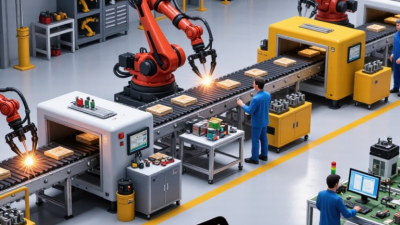
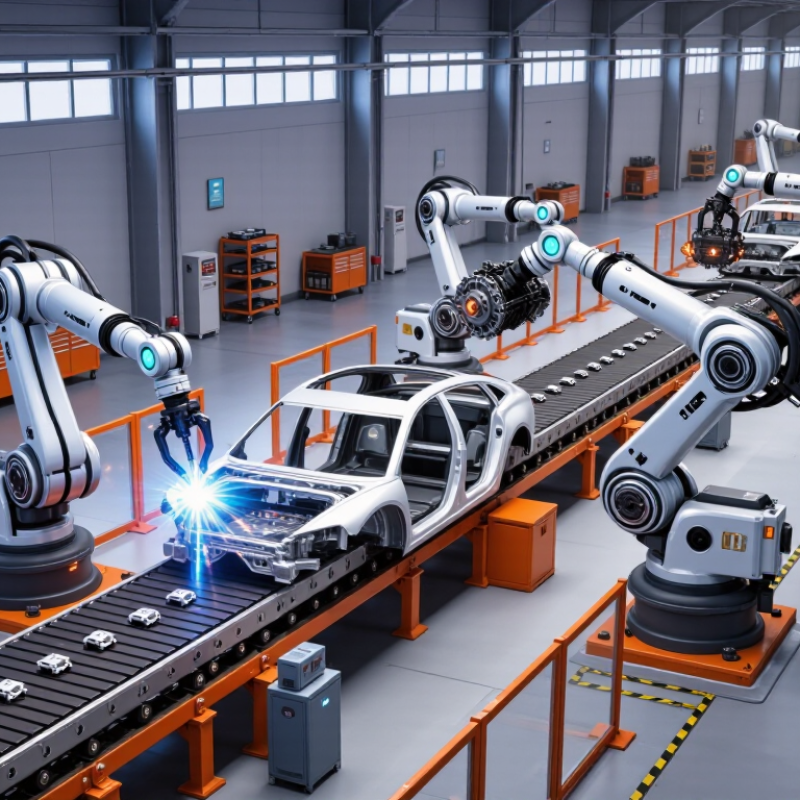
Across modern factories, industrial robots handle tasks that demand repetition, speed, or precise movement. A robot may weld a vehicle frame, lift heavy components, or place small parts onto a conveyor. Its programmed motions can remain consistent across many production cycles. Sensors and cameras may help it detect objects or respond to changes in its work area. These capabilities can support quality and reduce some repetitive physical demands. But the benefits depend on the task, equipment, and setup. Not every operation needs a robot. A skilled worker may handle irregular parts more effectively, especially when products change often. Small details matter.

Understanding why manufacturers use robots also means looking beyond the machines themselves. A robot needs suitable tooling, clear safety measures, trained operators, and regular maintenance. If a production line is poorly designed, automation can repeat mistakes faster rather than solve them. The investment may also be difficult to justify when output is low or changeovers are frequent. There are trade-offs. For example, a robot arm can perform steady pick-and-place work, while a person may adapt more easily when parts arrive in unexpected positions. This article explores where industrial robots fit, what advantages they can offer, and which limits manufacturers should consider. The answer is practical, not absolute: the right choice depends on the work, the people, and the production goals.
Why Are Industrial Robots Used in Manufacturing?

Core Functions of Industrial Robots in Manufacturing

Industrial robots perform repeatable physical tasks that can strain workers or require steady precision. Their core functions include moving materials, assembling parts, welding, painting, and inspecting products. On a production line, a robot may lift a metal housing from a fixture, turn it, and position it beneath a fastening tool. The same motion can be repeated across many cycles. Small alignment errors still matter, so sensors and well-maintained fixtures help keep parts in the right position.

Robots also support quality control. A camera or measurement sensor can check a component for missing features, poor alignment, or surface defects, while the robot presents it at a consistent angle. In welding, programmed paths help maintain torch distance and travel speed. These systems are not automatically accurate, though. A poorly placed fixture or a changed part can disrupt a carefully programmed path. Setup, testing, and regular checks remain essential. People still handle decisions, adjustments, and exceptions, especially when materials vary or a process changes. The best use of a robot is often a clearly defined task, not every task.

Manufacturing Tasks Commonly Assigned to Robots

Industrial robots are commonly assigned work that is repetitive, physically demanding, or tightly controlled. They move parts between stations, load machines, and palletize finished goods. In welding, a robot follows a programmed path across a metal seam, helping keep speed and placement consistent. Painting and dispensing also suit robots because steady movement matters. Small parts, too.

Assembly is another frequent use. Robots can fasten components, insert pieces, or handle delicate electronics, while cameras check dimensions and surface defects. The International Federation of Robotics’ World Robotics 2024 report counted about 4.28 million industrial robots operating in factories worldwide in 2023. That figure reflects broad industrial use, not a guarantee that every task is a good fit. A robot cell can still miss a misaligned part; that detail is easy to underestimate.

Factories also use robots for machine tending and inspection, often alongside human workers who handle exceptions and judgment-heavy decisions. The IFR describes applications including handling, welding, assembly, and dispensing. These jobs need careful setup: grippers must suit the part, and sensors need reliable lighting. When a component shifts slightly, the process may fail. Robots are consistent, but not infallible. A technician’s adjustment can matter as much as the machine.

How Robots Improve Speed, Precision, and Consistency

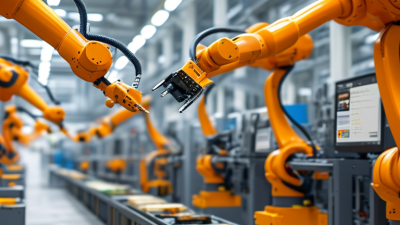
Industrial robots help manufacturing lines work at a steady pace. On a busy shift, a robot can repeat the same weld, pick, or fastening motion without tiring. This reduces pauses between cycles and helps parts move predictably from one station to the next. Small gains add up. Still, speed depends on the whole setup: tooling, part supply, and a clear work area. A jammed feeder can stop even a fast robot.

Precision matters when parts must align within tight tolerances. A programmed arm can place a component in nearly the same position each cycle, while sensors can check its location before a task begins. That repeatability helps reduce rework and makes quality checks more consistent. It is not perfect. Tool wear, loose fixtures, or changes in material can affect results, so teams need to inspect parts and maintain equipment. Robots are most useful when their tasks are well defined and people can respond to problems the system cannot recognize. Not every task fits. A careful review of each process is still necessary.

Safety and Workforce Benefits of Industrial Automation

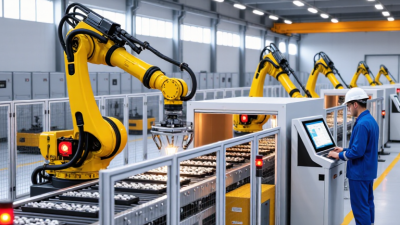
Industrial robots take on repetitive, heavy, or precise tasks that can strain workers over a full shift. A robot can lift the same metal component hundreds of times, while a person supervises the process, checks quality, and handles exceptions. This can reduce exposure to awkward reaches, hot surfaces, and repetitive-motion injuries. It does not remove every hazard. Moving equipment still needs risk assessment, guarding, clear procedures, and regular maintenance.

Automation can also change the work rather than simply eliminate it. Workers may move into setup, inspection, troubleshooting, or robot-programming roles, often with training. A well-planned cell can give people more time for judgment-based tasks. But benefits are not automatic: rushed installation or limited training can create confusion and new risks. That part is easy to underestimate. Teams should review workflows with the people who use them daily and revisit safety controls when tasks change.

Tips: Map the task before automating it. Identify pinch points, lifting demands, and human handoffs. Train operators on safe stops and recovery steps, then invite feedback after the system is running. Small adjustments can matter.

Why Are Industrial Robots Used in Manufacturing?

Industrial robot density by economy, 2023 (robots per 10,000 manufacturing employees)

Robots can take on repetitive, heavy, or hazardous tasks, helping reduce workers’ exposure to some workplace risks and allowing people to focus on other work. Robot density measures adoption—not safety outcomes or job impacts.

Source: International Federation of Robotics, World Robotics 2024; robot density data for 2023.

Key Factors That Influence Robot Adoption in Factories

Industrial robots are adopted when repetitive work, production targets, and labor availability make automation practical. The International Federation of Robotics reported 4,281,585 industrial robots operating worldwide in 2023, a 10% increase from 2022. This growing installed base reflects factories’ need for steady output, especially in tasks such as welding, palletizing, and machine tending. But a robot is not automatically the right answer.

Cost and product mix shape the decision. A high-volume line may justify the purchase through faster cycle times and fewer repetitive manual tasks. A factory making many short product runs may need flexible tooling and simpler reprogramming to avoid costly changeovers. The IFR’s World Robotics 2024 also recorded 541,302 new installations in 2023, the second-highest annual figure on record. Strong numbers, but they do not prove every installation pays off.

Reliability matters on the shop floor. Robots need space, fixtures, guarding, maintenance, and workers who can diagnose faults; these needs can erase expected savings if overlooked. Integration is often the hard part. A robot may stop when an upstream process feeds parts unevenly, or when a gripper struggles with small variations. The U.S. National Institute of Standards and Technology identifies interoperability and integration as important manufacturing challenges. That calculation can be wrong. A realistic adoption plan measures downtime, changeover time, and defect rates before and after installation, not just the robot’s advertised cycle speed.

Why Are Industrial Robots Used in Manufacturing? - Key Factors That Influence Robot Adoption in Factories

Adoption Factor Why It Matters Common Applications Useful Assessment Metrics Key Consideration
Repetitive, predictable work Robots can repeat programmed motions consistently, making them suitable for stable tasks performed many times. Machine tending, pick-and-place, packaging, and material handling. Cycle time, operating hours, task repetition, and unplanned stops. Frequent product or process changes may require reprogramming or new tooling.
Consistent process quality A well-integrated robot can execute defined motions and process parameters consistently; quality still depends on the full process and setup. Welding, dispensing, painting, assembly, and inspection with suitable sensors. Defect rate, rework, process variation, and first-pass yield. Part variation, calibration, fixtures, and inspection methods affect results.
Throughput and production scheduling Automation can support steady production and reduce delays at selected workstations when the rest of the line can keep pace. Loading and unloading, palletizing, line-side transfer, and high-volume assembly. Units per hour, cycle time, uptime, and bottleneck utilization. A faster robot will not increase total output if another process is the bottleneck.
Worker ergonomics and task hazards Robots can take on some heavy, awkward, or hazardous operations, potentially reducing workers’ exposure to those tasks. Heavy lifting, handling hot materials, and work near hazardous processes. Manual lifts, ergonomic risk assessments, exposure records, and safety incidents. Robot cells introduce their own risks and require appropriate guarding and risk assessment.
Labor availability and workforce needs Automation may help factories manage hard-to-staff shifts or tasks while allowing employees to focus on setup, monitoring, and problem-solving. Night-shift material handling, repetitive machine operation, and production support. Vacancy duration, overtime, shift coverage, training needs, and labor hours per unit. Successful adoption requires trained operators and maintenance support.
Cost and expected return The business case compares the full cost of automation with expected operating benefits over the equipment’s useful life. Tasks with substantial labor, scrap, downtime, or capacity costs. Equipment and integration costs, maintenance, energy, scrap, and payback period. Include tooling, safety systems, programming, downtime, and ongoing maintenance in the estimate.
Product mix and flexibility The required level of changeover flexibility affects whether a fixed robot cell or a more adaptable setup is suitable. Multi-product assembly, batch packaging, and jobs using interchangeable tooling. Changeover time, product variants, batch size, and reprogramming effort. Frequent changes can add engineering and validation work.
Integration and factory readiness A robot must coordinate with people, machines, material flow, controls, and quality systems to operate effectively in a production environment. Connected production cells, machine loading, inspection stations, and conveyor systems. Available floor space, interface requirements, cycle-time balance, and maintenance response time. Layout, utilities, safety, controls, and maintenance capability should be reviewed before installation.

Brands

Proudly Trusted by Top Suppliers Worldwide

Let us know and we will automate, together to fit your industrial needs.

Clients

Proudly Trusted by Top Companies Worldwide

Do you need Help? Get in touch.

X

Please fill out the form below and we will get back to you as soon as possible.

    Subscribe our newsletter & get updates